
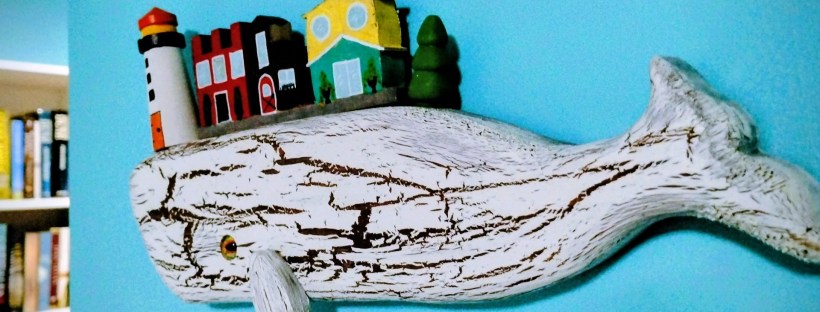
It’s still January, right? I’m not too late?
I’ve been missing at CBI for several months, but I’ve come back to share my favourite books of 2025.
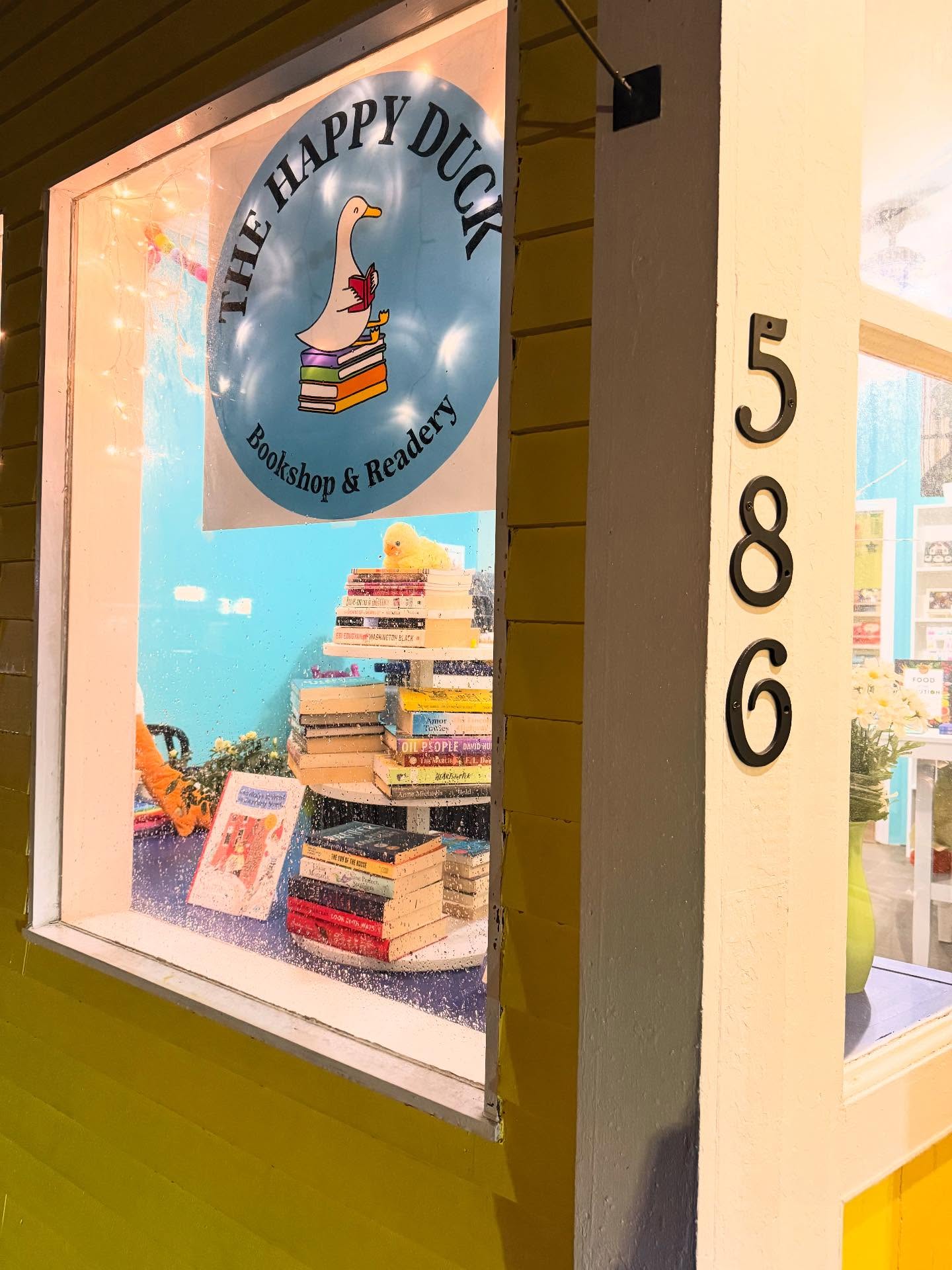
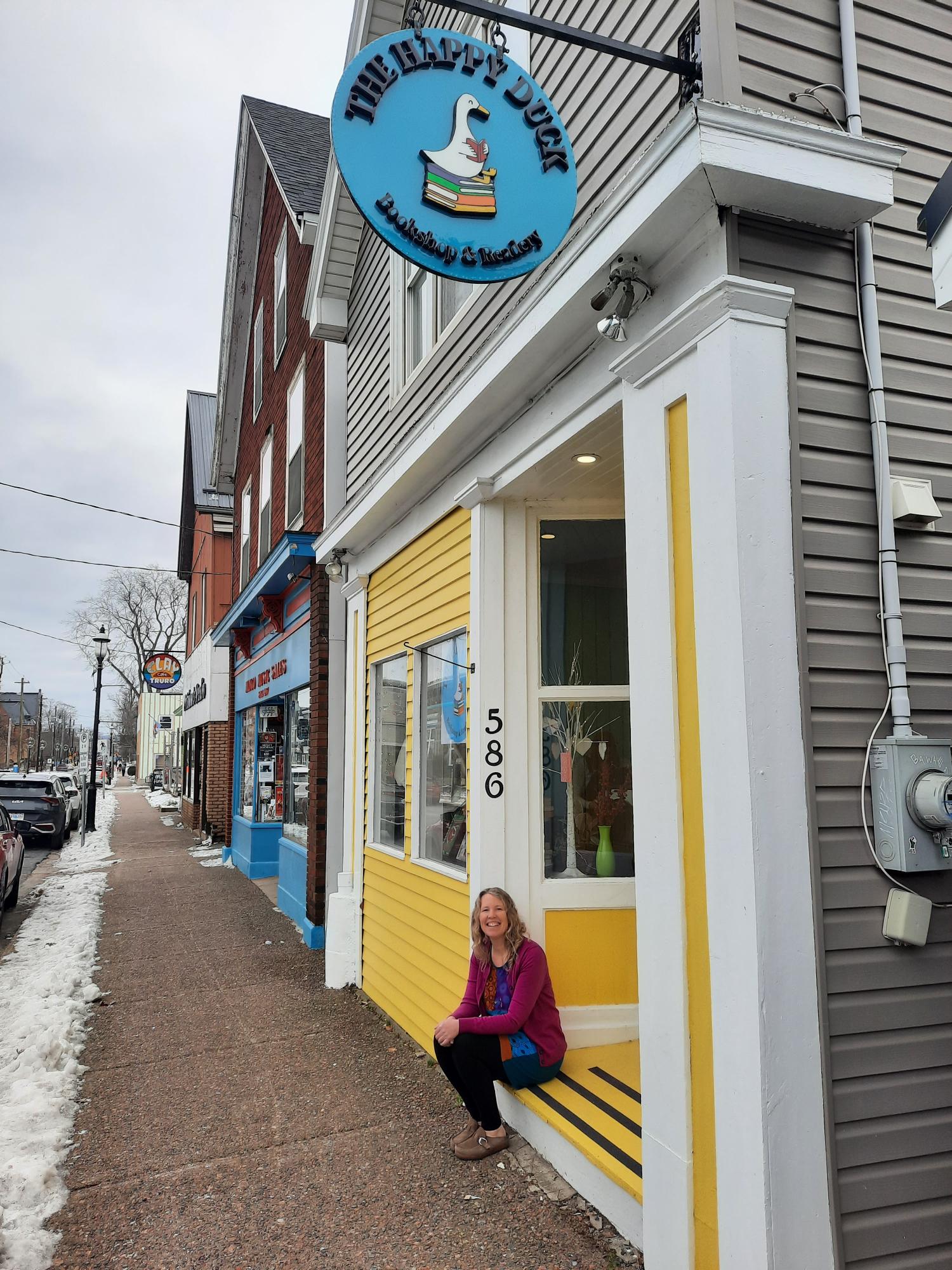
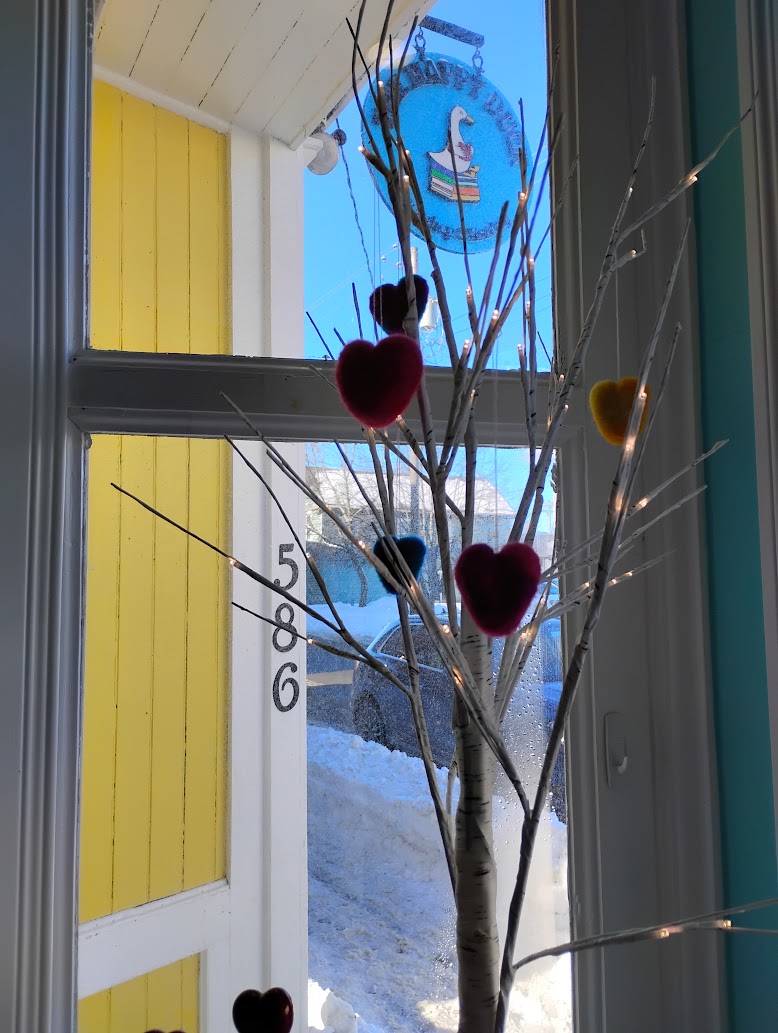
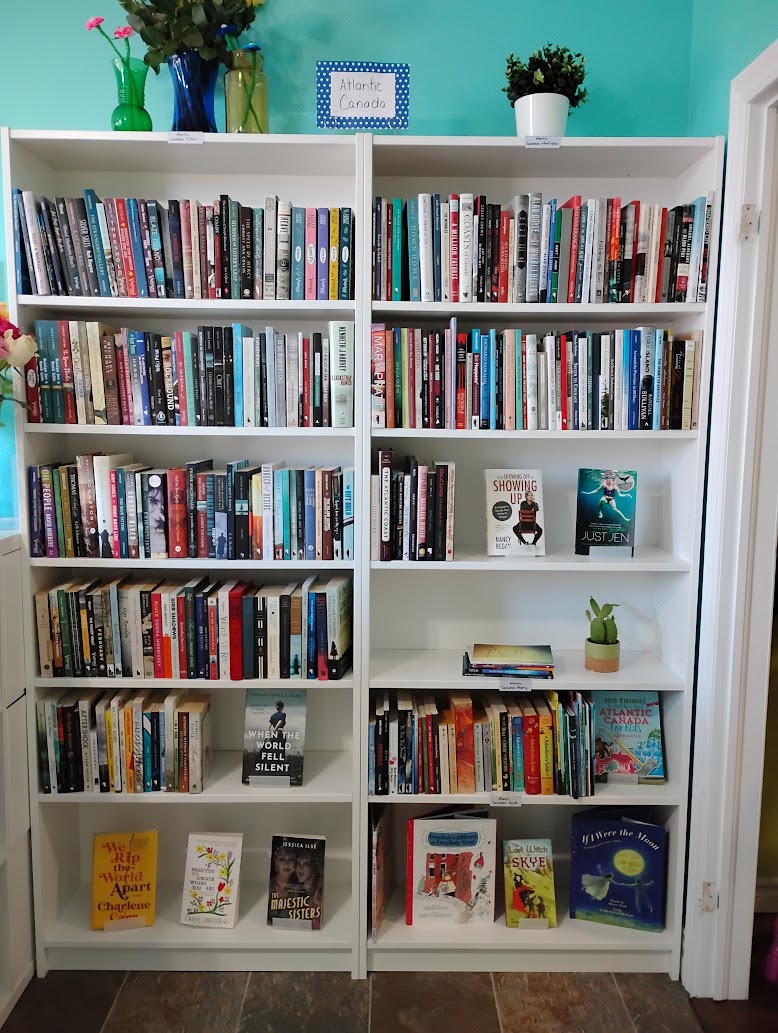
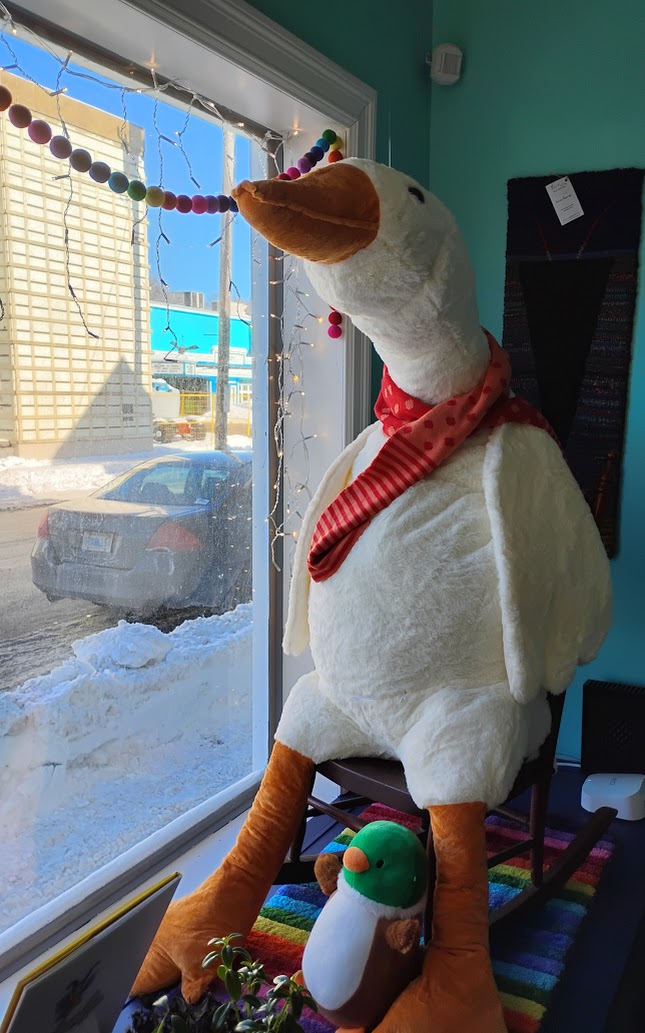
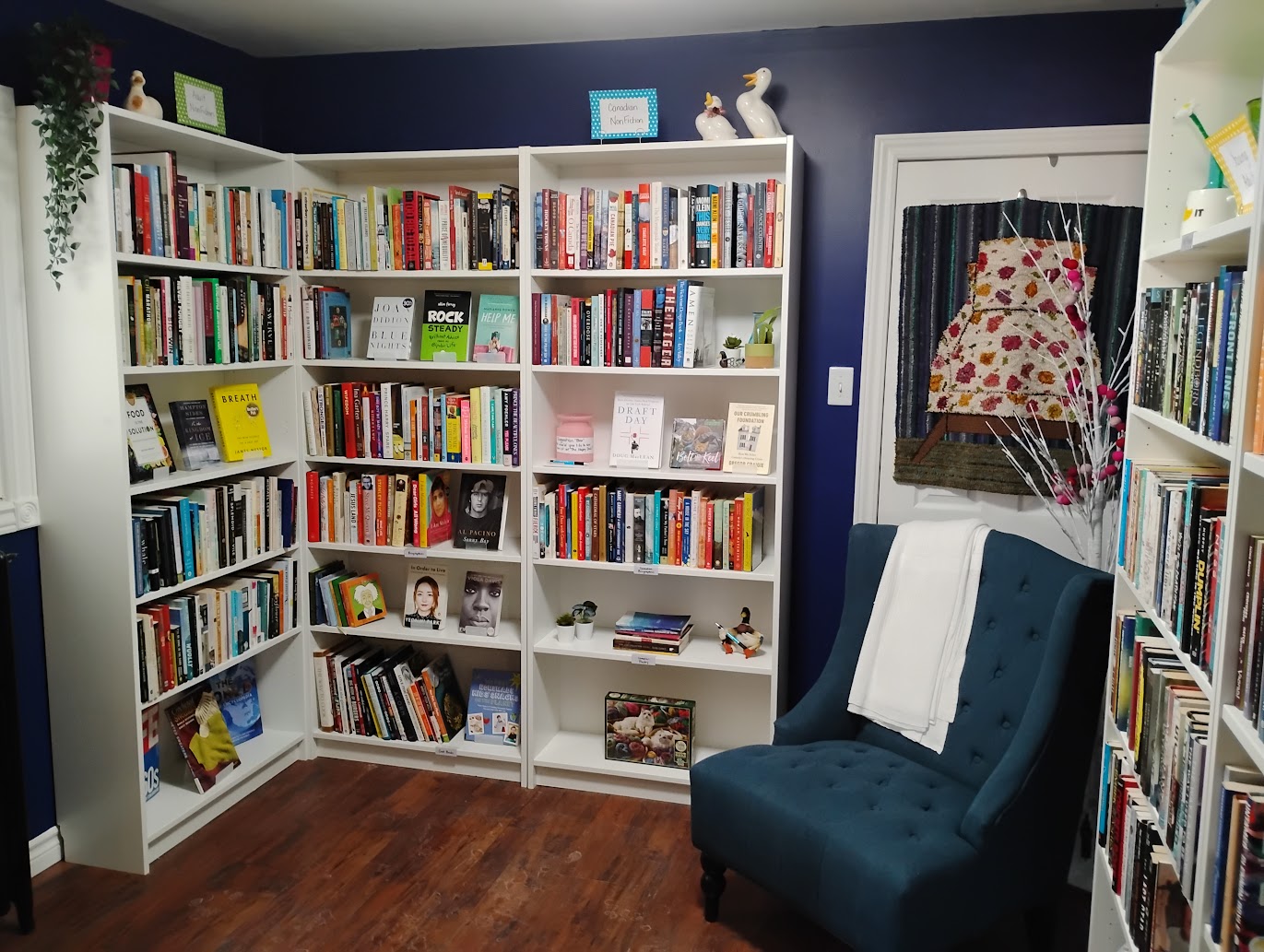
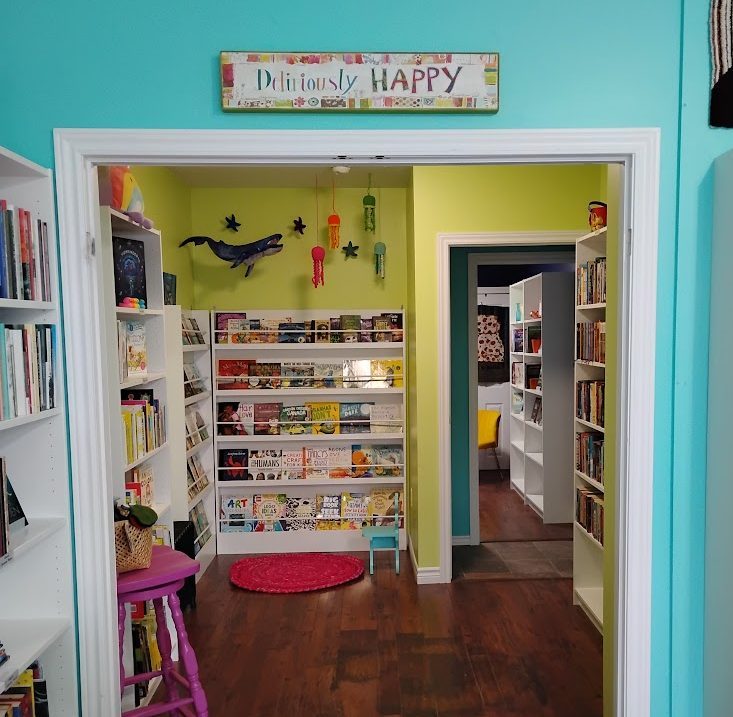
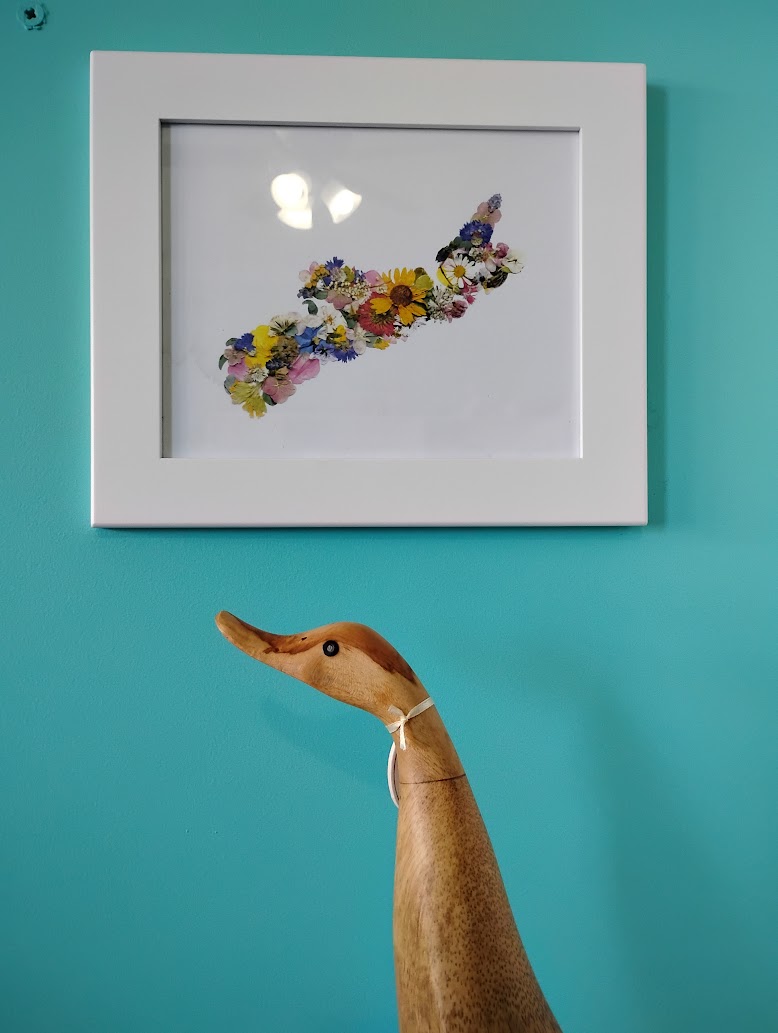
But first… The greatest highlight of my year was opening The Happy Duck Bookshop & Readery. I’ve been working on a post about it, but in the meantime, now you know where I’ve been and what I’ve been doing. You can read more about it in the Truro News!
As I work on this, a few people come and go from the shop, commenting on the connections they have with Sheree Fitch and deliberating on which Lesley Crewe book they haven’t read yet. A pair of sisters are chatting happily as they look around, commenting on the books they’ve read. These are the moments I love around here.
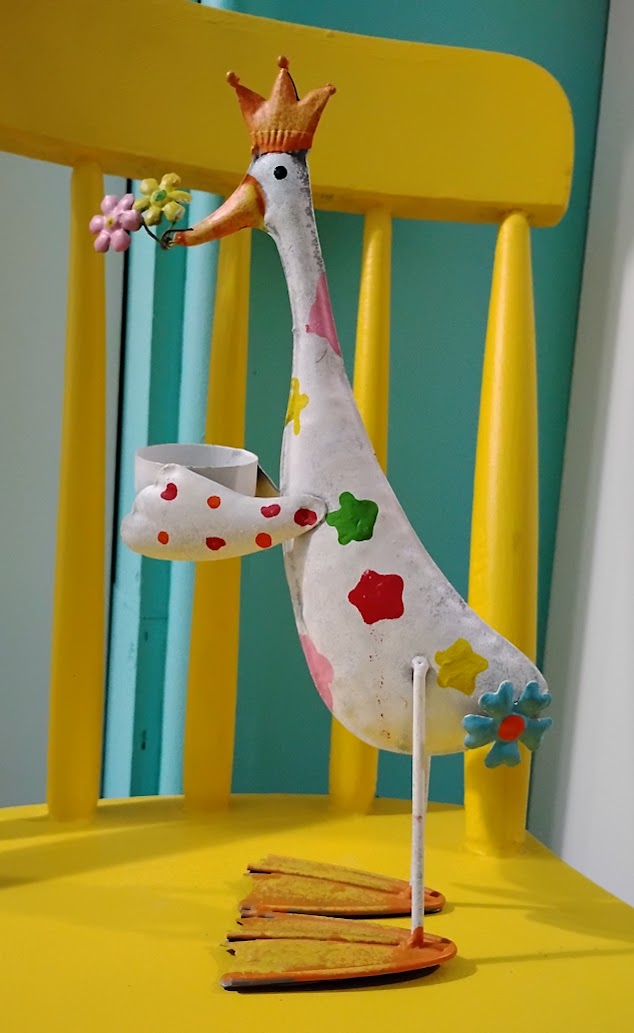
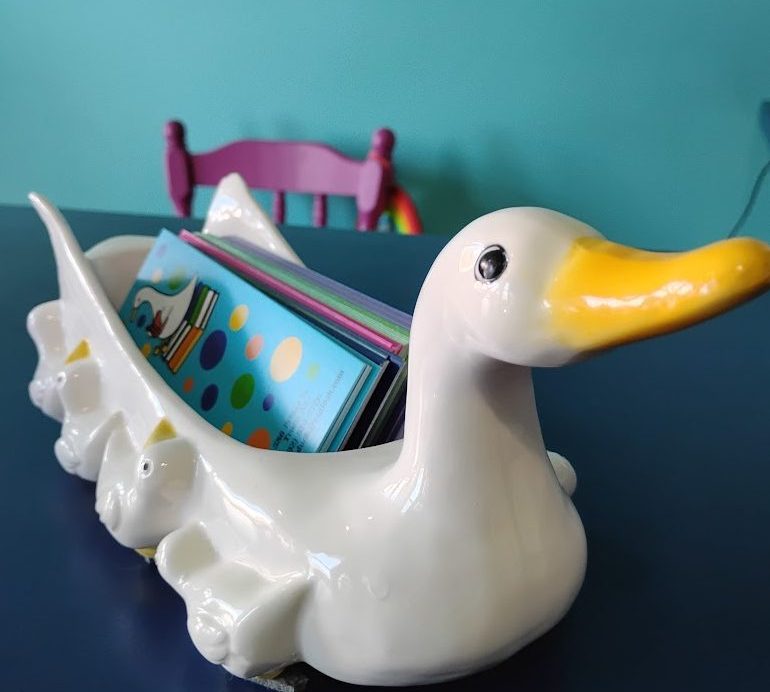
(Onslaught of Happy Duck pictures to follow.)
Amongst the chaos of my life, I scrabbled together a rough list of my favourite books of the year, because, as absent as I’ve been here lately, I could not let the year go by without some kind of record of it.
Here are the best books I read this year, in no particular order…
Fiction

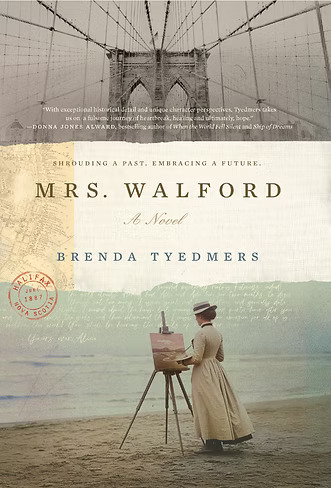
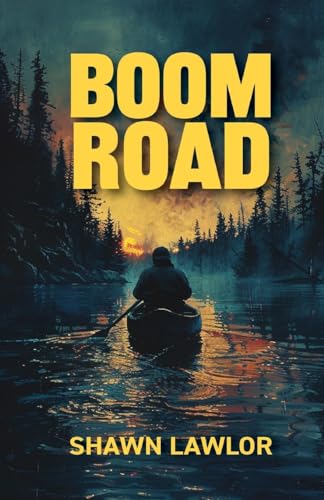
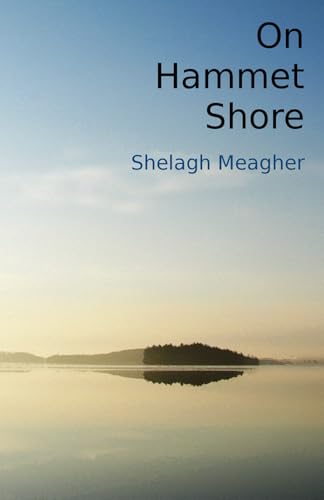
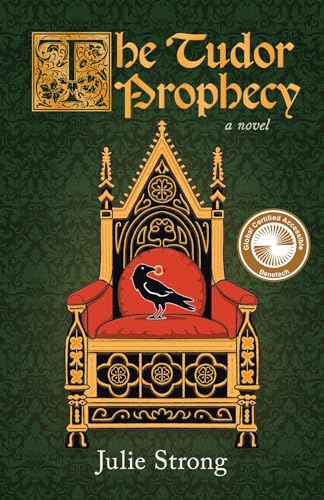
Red=Atlantic Canada, Orange=Canada, Green=Other
Vigil by Susie Taylor (Newfoundland): I read this at the very beginning of 2025 and I am still thinking about it and recommending it. See my review here. Susie Taylor also wrote Even Weirder Than Before.
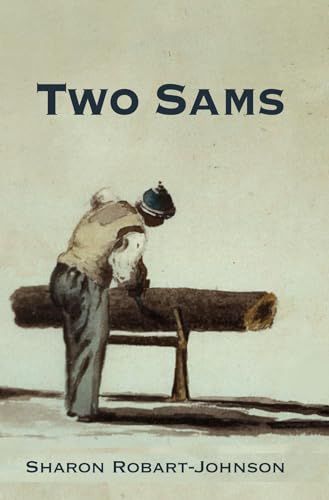
Two Sams by Sharon Robart-Johnson (Nova Scotia): This historical novel features the Black Loyalist experience. See my review here. Sharon Robart-Johnson also wrote Jude and Diana.
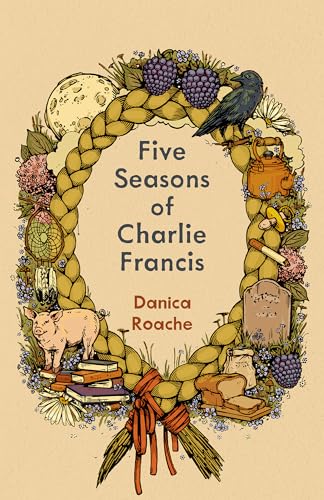
Five Seasons of Charlie Francis by Danica Roache (Nova Scotia): This is the most recently read novel on the list, so I haven’t reviewed it yet. I loved reading from the perspective of a contemporary mixed-Indigenous young woman on the verge of great things who gets waylaid by her uncle’s suicide and an accidental pregnancy. Among other things, this novel highlights the systemic racism existing in academia. Written with levity and humour, it’s a book I will be recommending to everyone. This is Danica Roache’s first novel.
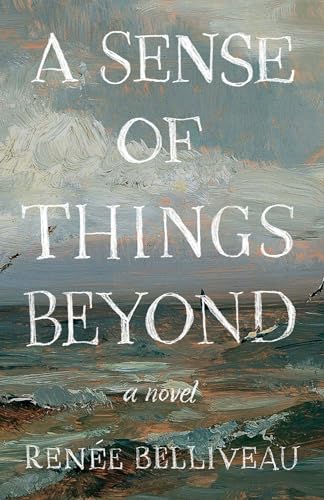
A Sense of Things Beyond by Renee Belliveau (Nova Scotia): This historical novel is about a nurse who goes to the front during WWI and a man who spends the war in a civilian internment camp in Germany. Both feel relatively invisible and misunderstood. Eventually, on the shores of Nova Scotia, their paths cross. Renee Belliveau is also the author of The Sound of Fire.
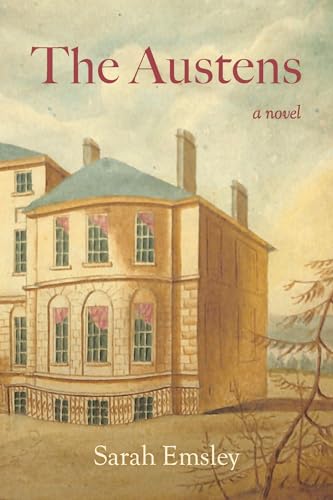
The Austens by Sarah Emsley (Nova Scotia): If someone were to ask me what my book of the year is, this would be it. It’s about Jane Austen’s family and their connection to Halifax, Nova Scotia. Magnificently researched and written, it was 18 years in the making. Perfect for Jane Austen fans, yet there’s no need to have read Jane Austen to enjoy this book. Read it! Sarah and I have also been blogging buddies (and real life friends) for a long time now – visit her website/blog here.
Mrs. Walford by Brenda Tyedmers (Nova Scotia): I am loving all these historical novels focused on women. This one follows Mrs. Walford, as she travels alone from New York to Halifax, and, two weeks later, is declared dead. The story unfolds through multiple perspectives as well as journal entries and letters. This was a page-turner as I tried to put the pieces together.
Boom Road by Shawn Lawlor (New Brunswick): It was a nice change to read from the perspective of a gruff, mid-life male character. In my blurb on Instagram I said, “Boom Road is a surprisingly tender read with a main character who might not immediately be seen as a tender guy. Great dialogue. I especially loved the pre-internet time and rural setting. Oh, to take your canoe to work everyday!”
On Hammet Shore by Shelagh Meagher (Nova Scotia): The two loves of Henry’s long life are Sybil and Little Hammet Island. Nearing the end of his life, Henry is trying to make sense of them both. Find my review at The Seaboard Review.
The Tudor Prophecy by Julie Strong (Nova Scotia): A Tudor era novel, impeccably researched. Read my review at The Seaboard Review.
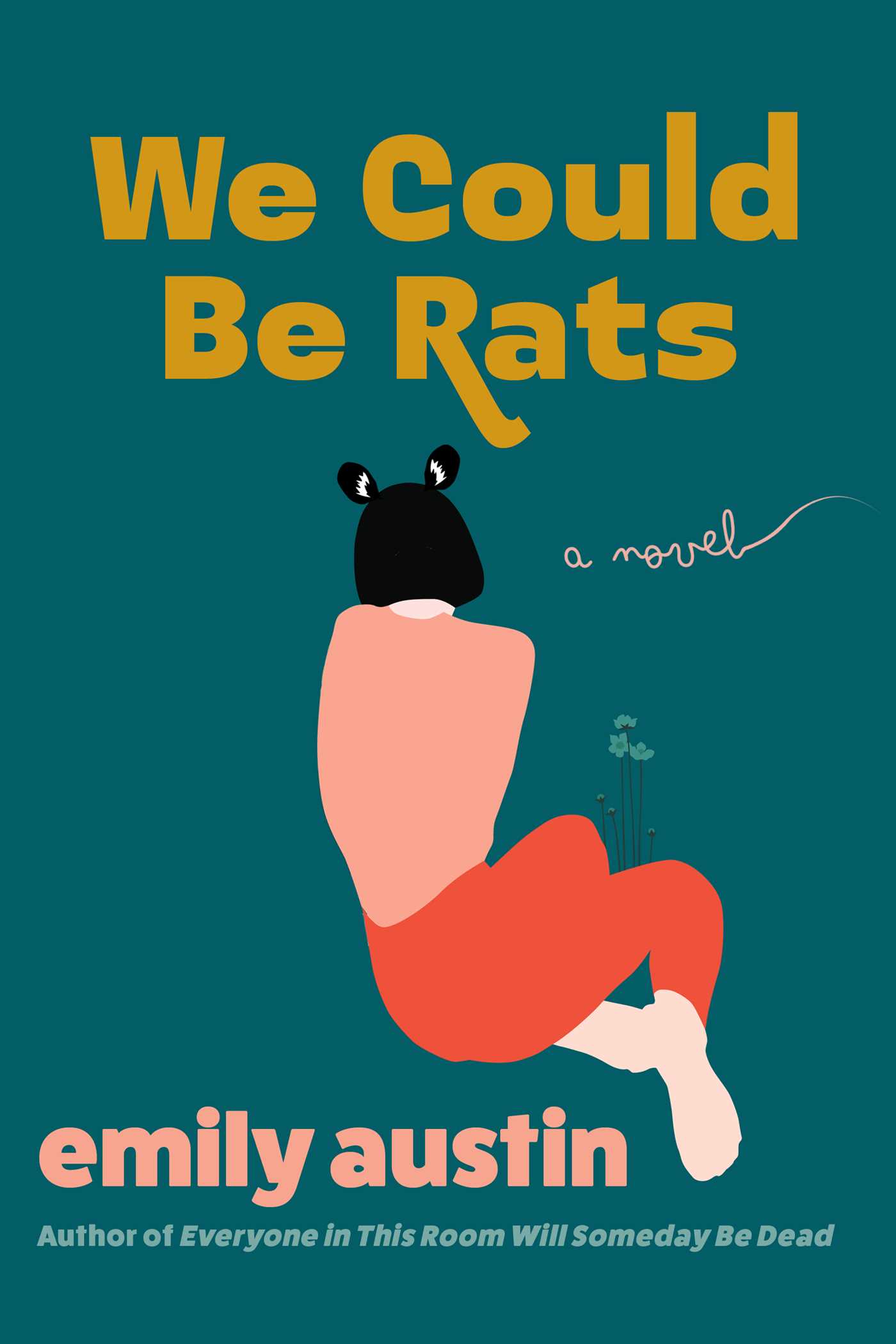
We Could Be Rats by Emily Austen: I have loved all of Emily Austin’s books and am reading her fourth right now. Read why at The Seaboard Review.
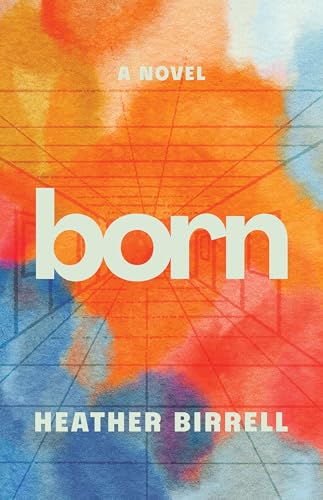
Born by Heather Birrell: A lockdown at a high school and one of the teachers goes into labour. Told from the perspective of the teacher, the students acting as impromptu midwives, and the intruder. An unexpected story.
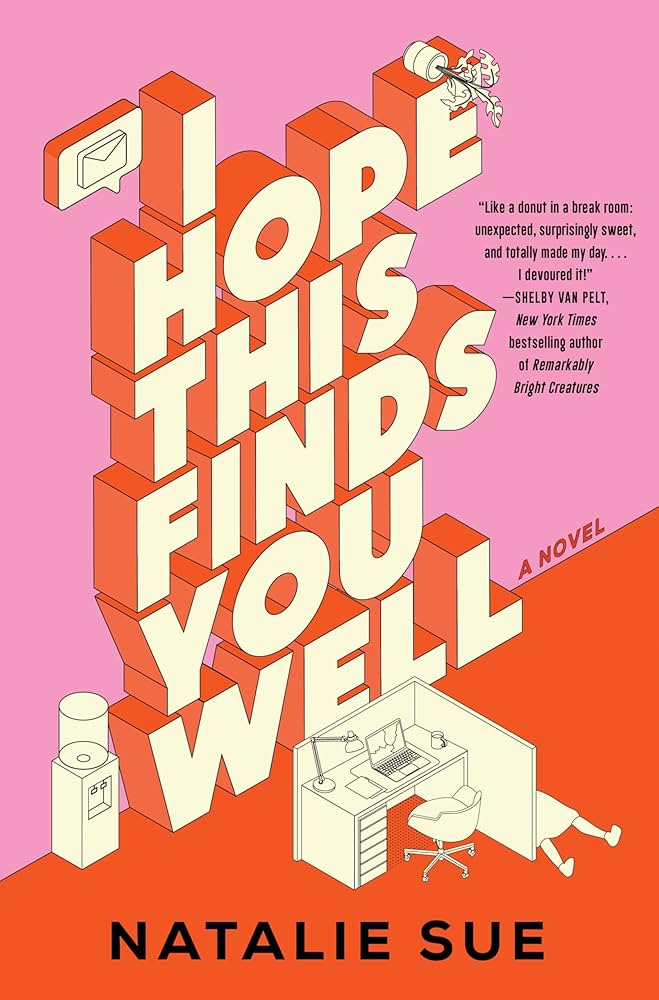
I Hope This Finds You Well by Natalie Sue: What would you do if–by some glitch–you could suddenly see all the emails and messages between your employers and coworkers? Would you fess up, or would you try to use it to your advantage? A clever premise and surprisingly heartfelt.
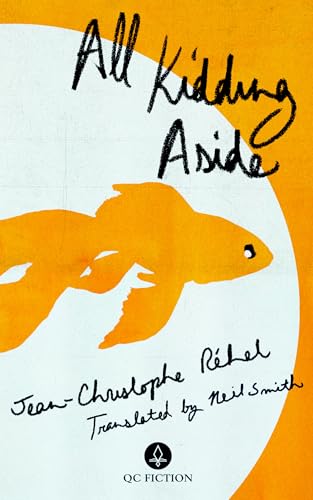
All Kidding Aside by Jean Christophe-Rehel, translated by Neil Smith: Narrated in the first person by a man who lives with his father and brother, supports them both by working at Tim Hortons, but dreams of being a stand-up comedian. Like his last novel, Tatouine, I found this incredibly moving. Soon to be reviewed at The Seaboard Review.
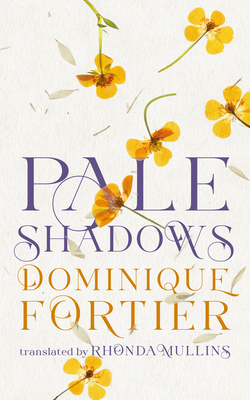
Pale Shadows by Dominique Fortier, translated by Rhonda Mullins: Beautifully written, this is about the lives of the women left behind after Emily Dickinson’s death. I have been wanting to read one her books for a long time. Now I want to read more.
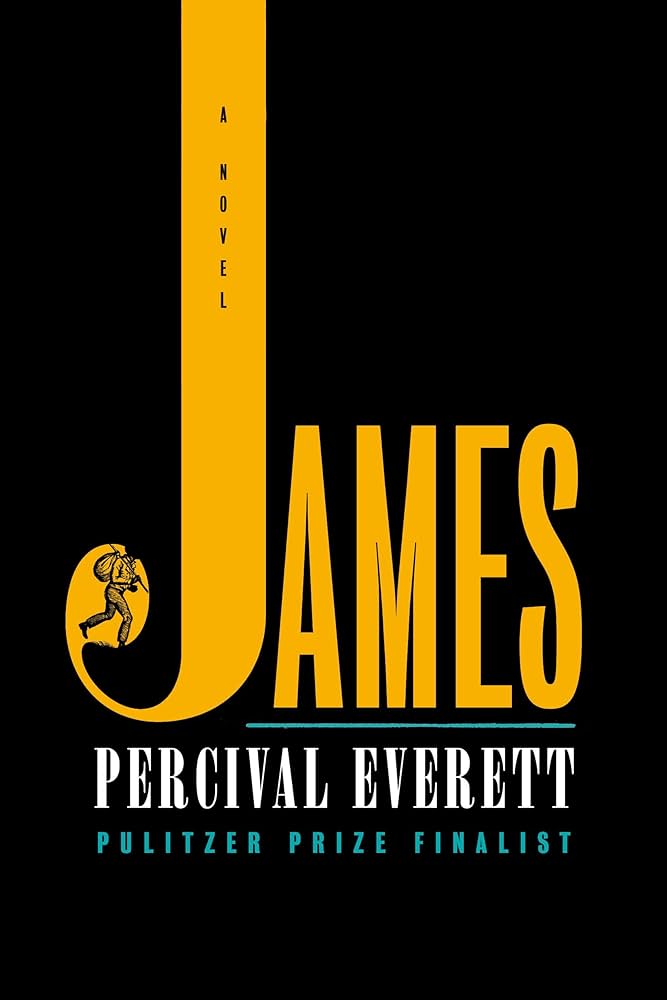
James by Percival Everett: As good as everyone says it is.
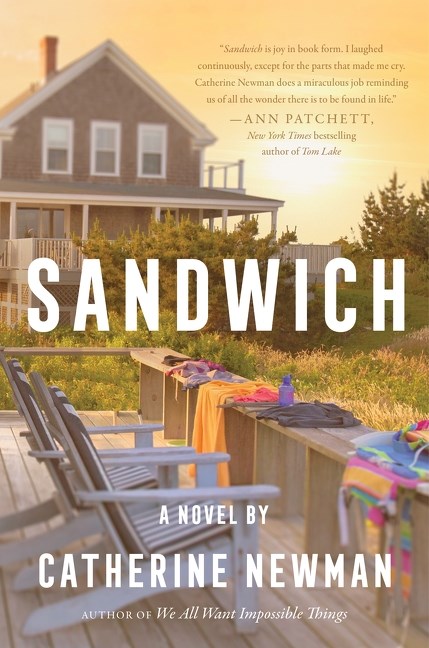
Sandwich and Wreck by Catherine Newman: I read them both this year. I think Sandwich has the edge but they are both about the same woman as she navigates life at middle age with grown(ish) children and ageing parents. Read what I thought of her first novel here.
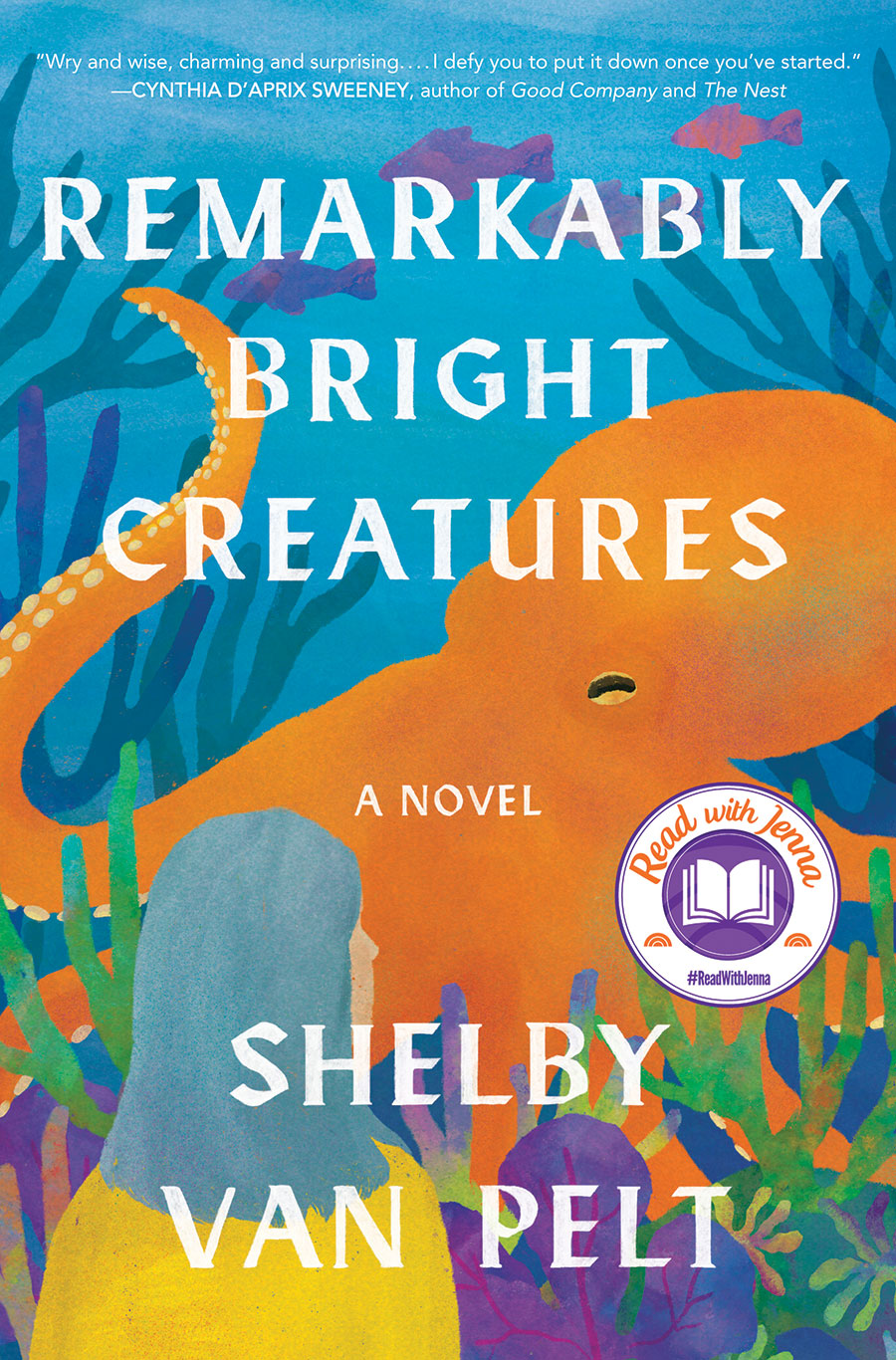
Remarkably Bright Creatures by Shelby Van Pelt: There’s a talking octopus. My only complaint is that he didn’t have enough page time.
NonFiction
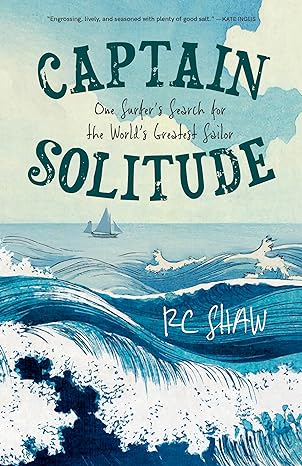
Captain Solitude by RC Shaw (NS): I started a review for this book after I read it months ago, but it’s still sitting in my draft folder (with several others). RC Shaw’s books are a lot of fun; he takes you with him on his adventures. In his first book, he takes his bike and surfboard to Louisbourg, and now in Captain Solitude he chases the ghost of Joshua Slocum down the south shore of NS and up again to Brier Island where Joshua Slocum grew up. I recommend his books to anyone who likes travel memoirs.
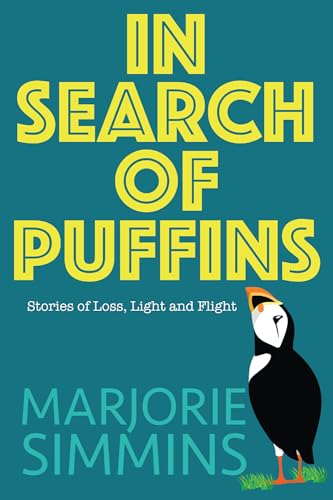
In Search of Puffins by Marjorie Simmins (NS): A memoir of loss and starting over. Read what I have to say about this one here.
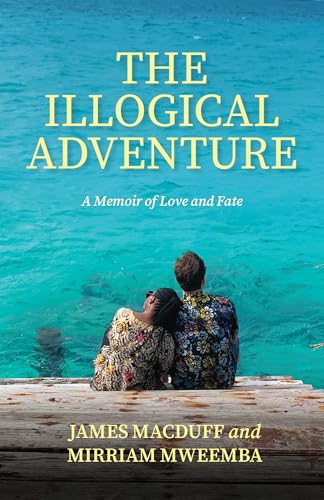
The Illogical Adventure by James MacDuff and Mirriam Mweemba (NS): This unique love story really pulled at my heartstrings. Read my review at The Seaboard Review.
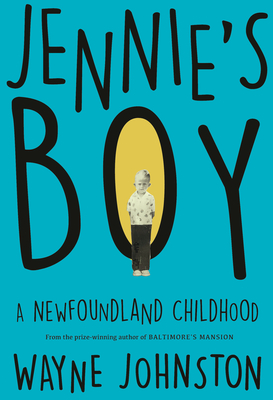
Jennie’s Boy by Wayne Johnston (NL): A funny memoir about a short time in the author’s life as a child in rural Newfoundland. Everyone considered Wayne sickly, but no one ever took him to a doctor to figure out what the problem was. Instead, they put wheels on his bed so that if he was keeping his brothers awake at night from coughing too much, they could just scoot him out into the hallway. Priceless storytelling.
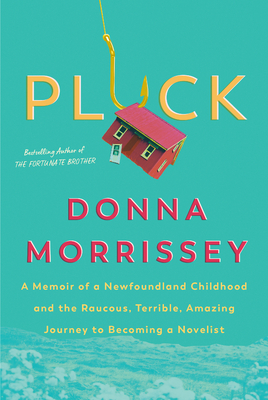
Pluck by Donna Morrissey (NL): Another memoir of rural Newfoundland. This one spans decades of Donna Morrissey’s life – and what a life she has lived. I had no idea. Be careful, though, this one’s a tear-jerker. I was out for a walk, listening to the end of this, and hoping not to come across anyone because the tears were streaming down my face. Donna Morrissey has written several novels, one of which I wrote about here.
(Has anyone else noticed that the Atlantic Canadian nonfiction books are all shades of blue-green?)
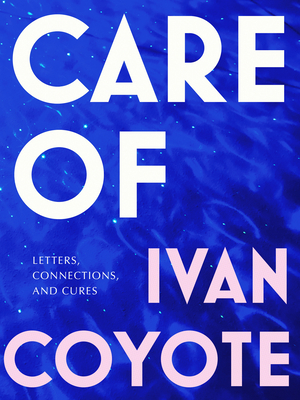
Care Of by Ivan Coyote: Another great storyteller. This book is made up of letters that Ivan Coyote had received and wanted to give proper answers to. During the pandemic lockdown, they got a chance to dig in. More tears.
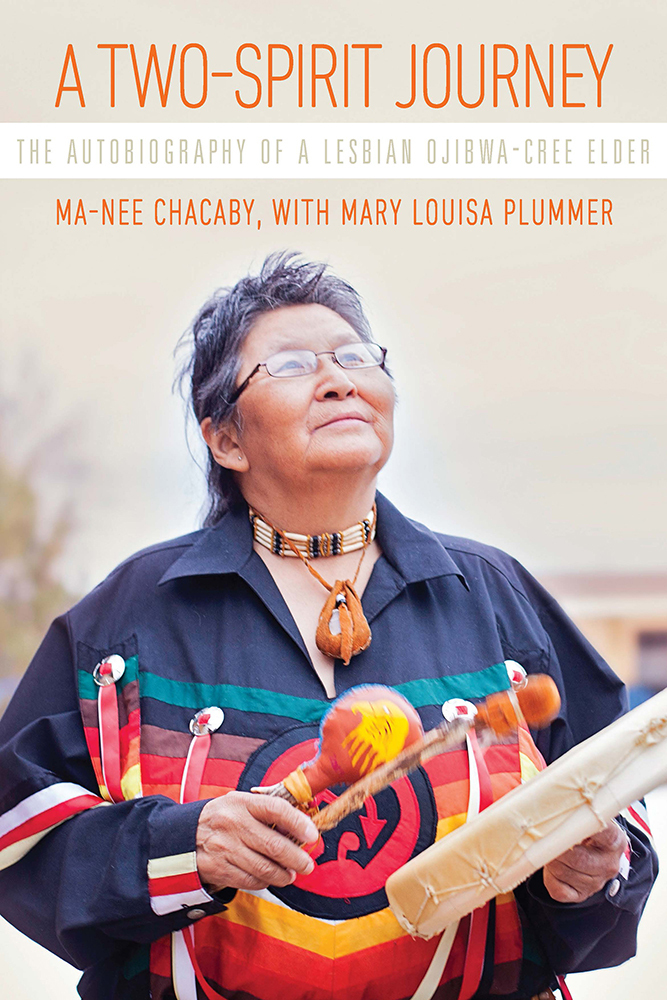
A Two-Spirit Journey by Ma-Nee Chacaby, with Mary Louisa Plummer: After every kind of hardship you can imagine, Ma-Nee spends her life helping others. An incredible story of resilience.
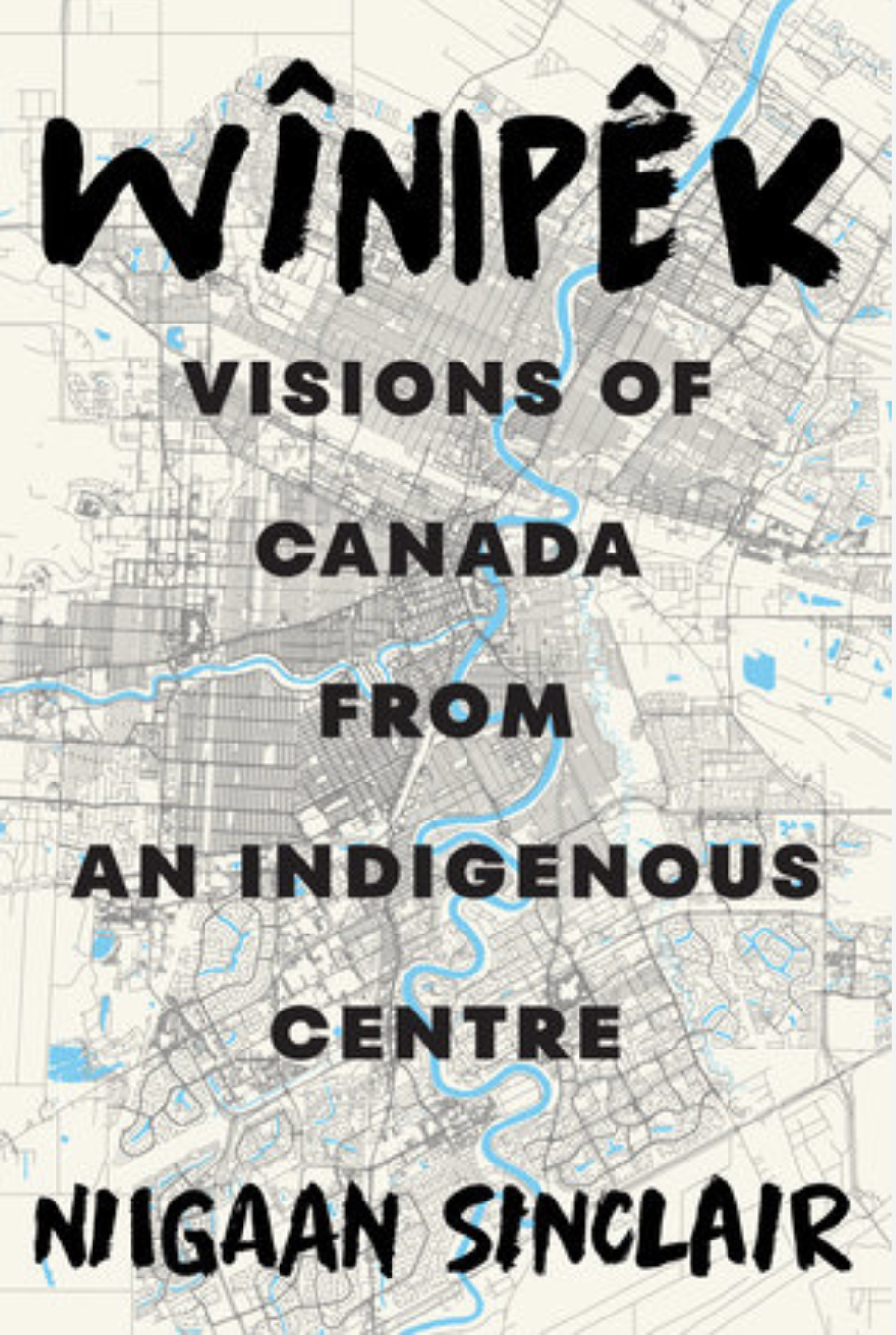
Winipek by Niigaan Sinclair: A collection of well-thought-out essays about the areas in and around Winnipeg, Manitoba, but relevant for everyone.
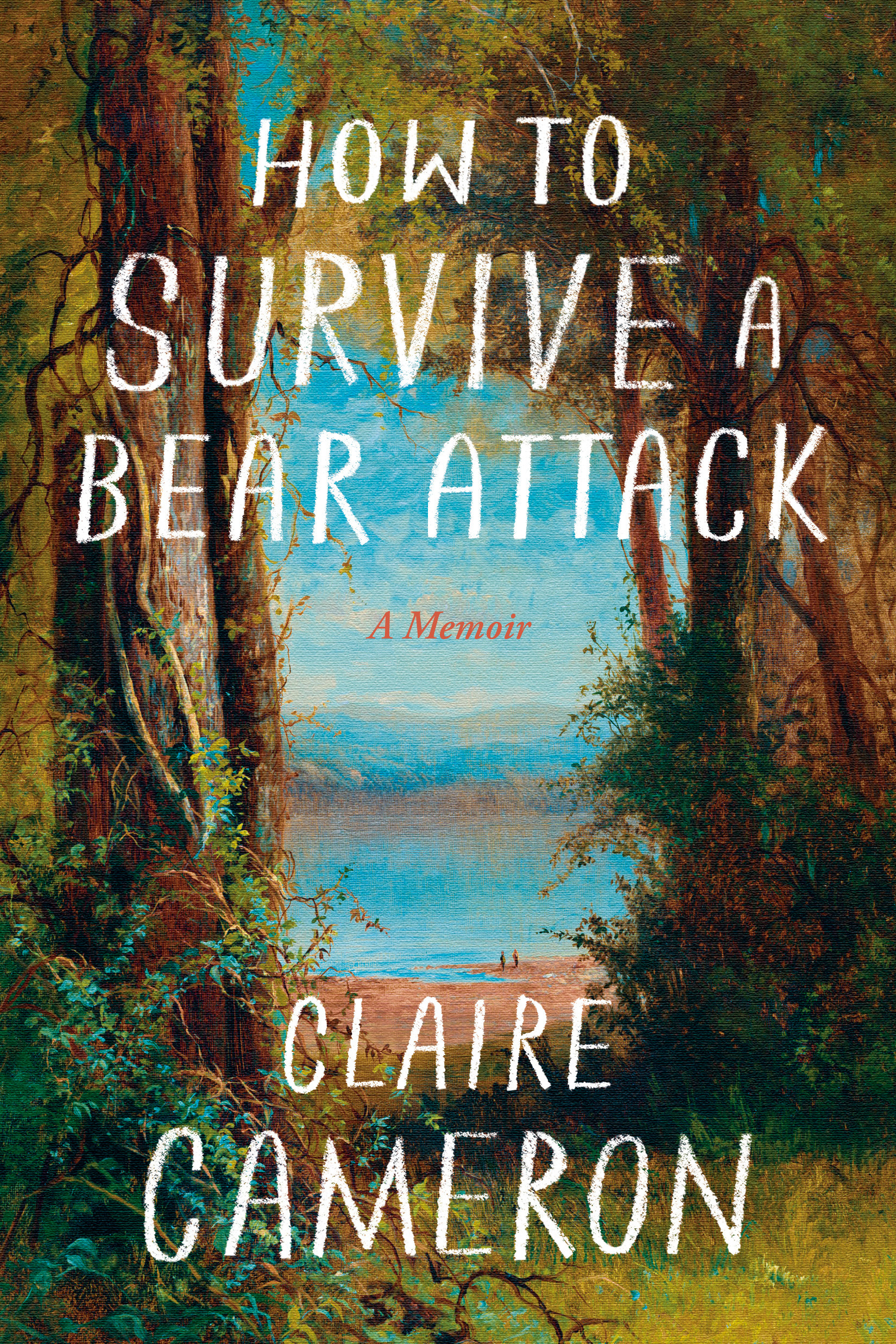
How To Survive A Bear Attack by Claire Cameron: Impressively, this is a cancer memoir mashed up with nature writing and a bear attack investigation. And she does it beautifully. I wrote about her novel The Bear here.
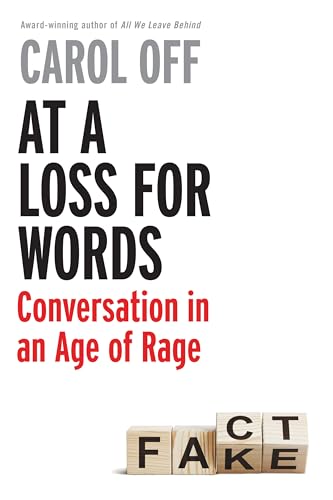
At a Loss for Words by Carol Off: From the book: “Award-winning author and broadcast journalist Carol Off digs deep into six words whose meanings have been distorted and weaponized in recent years—including democracy, freedom and truth—and asks whether we can reclaim their value.” I hung on every word and then felt a whole lot smarter at the end.
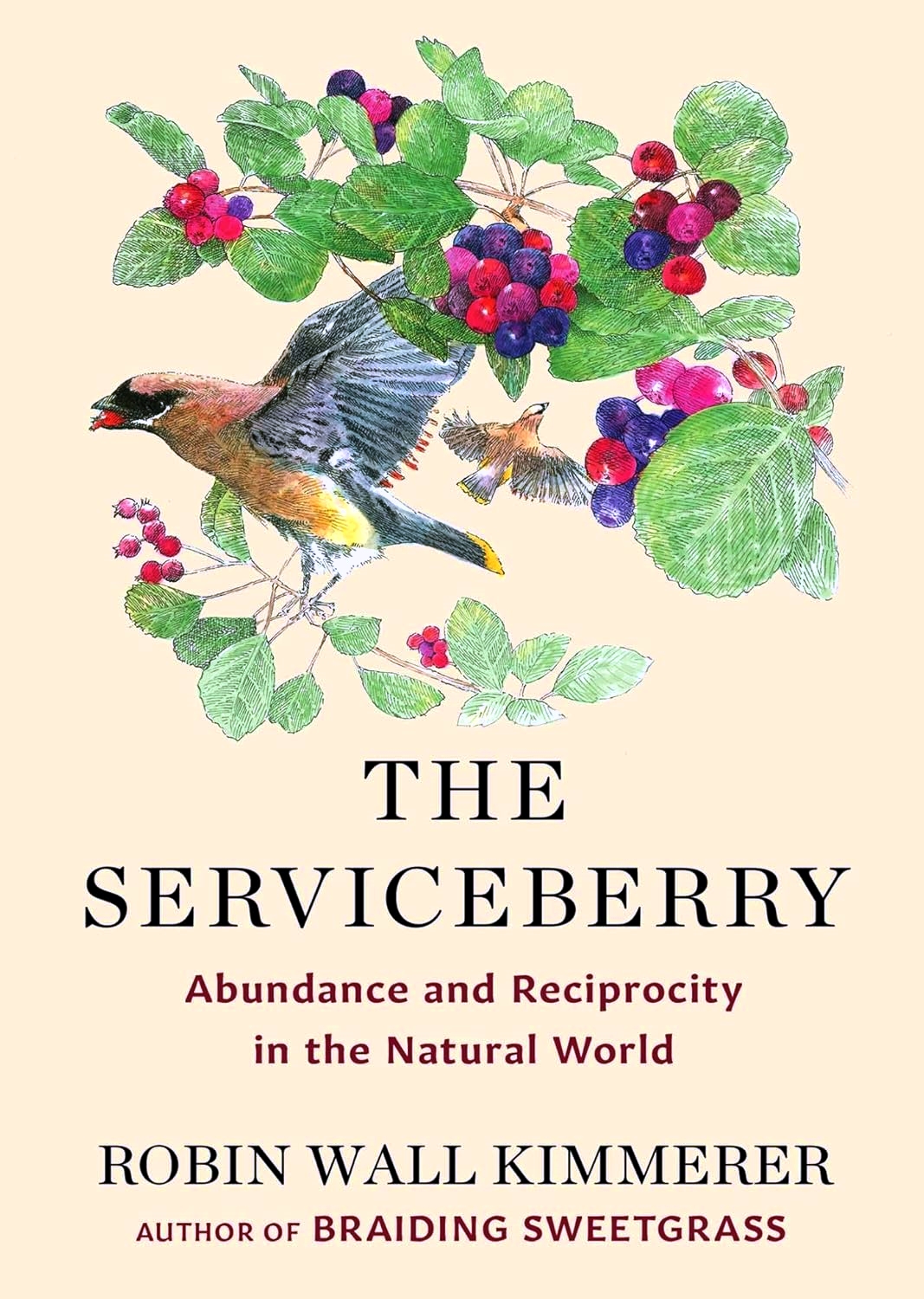
The Serviceberry by Robin Wall Kimmerer: A beautiful idea to aspire to.
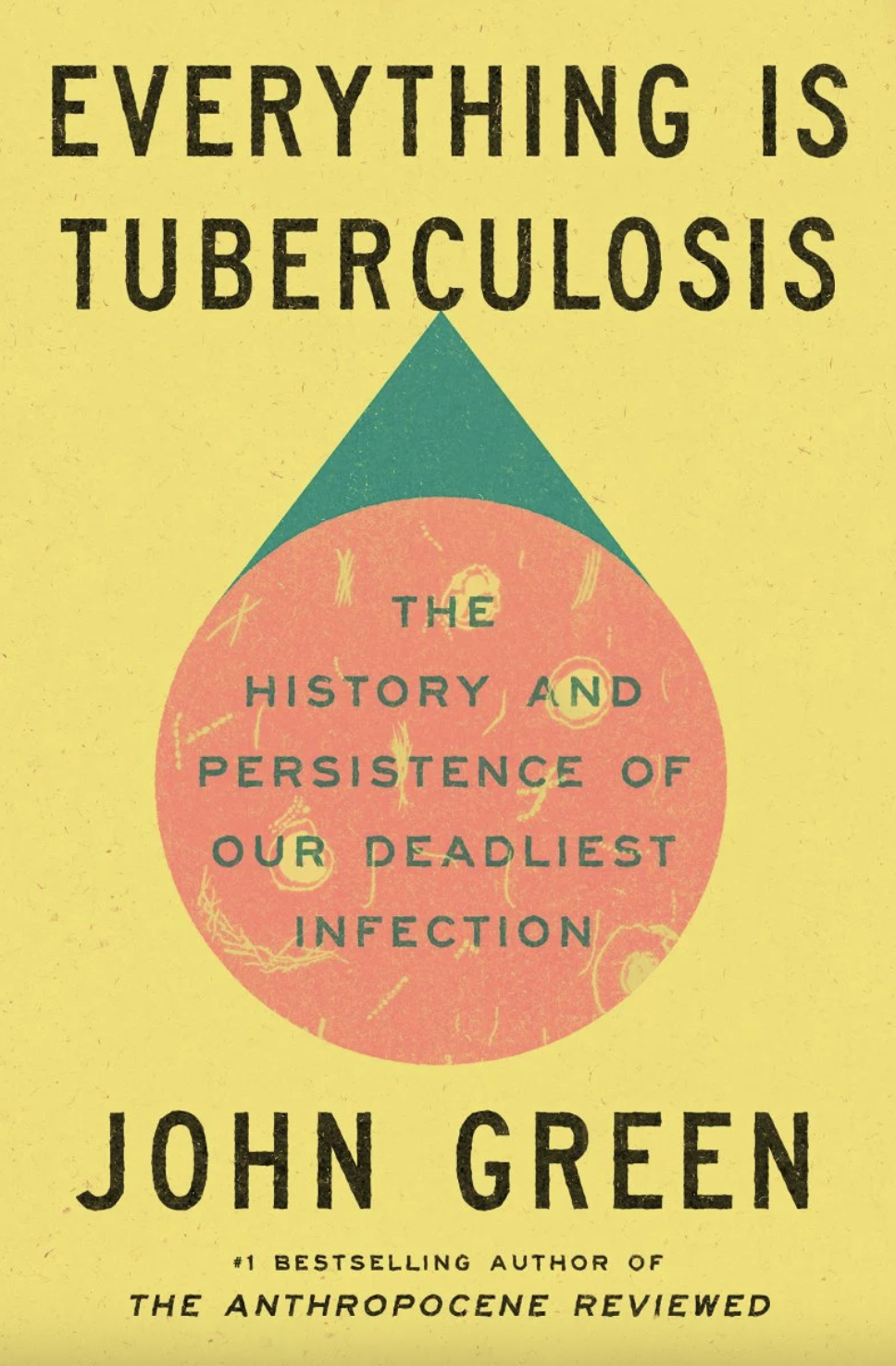
Everything is Tuberculosis by John Green: This was full of fascinating facts about TB. Who knew it would be so absorbing?
Middle Grade Novels
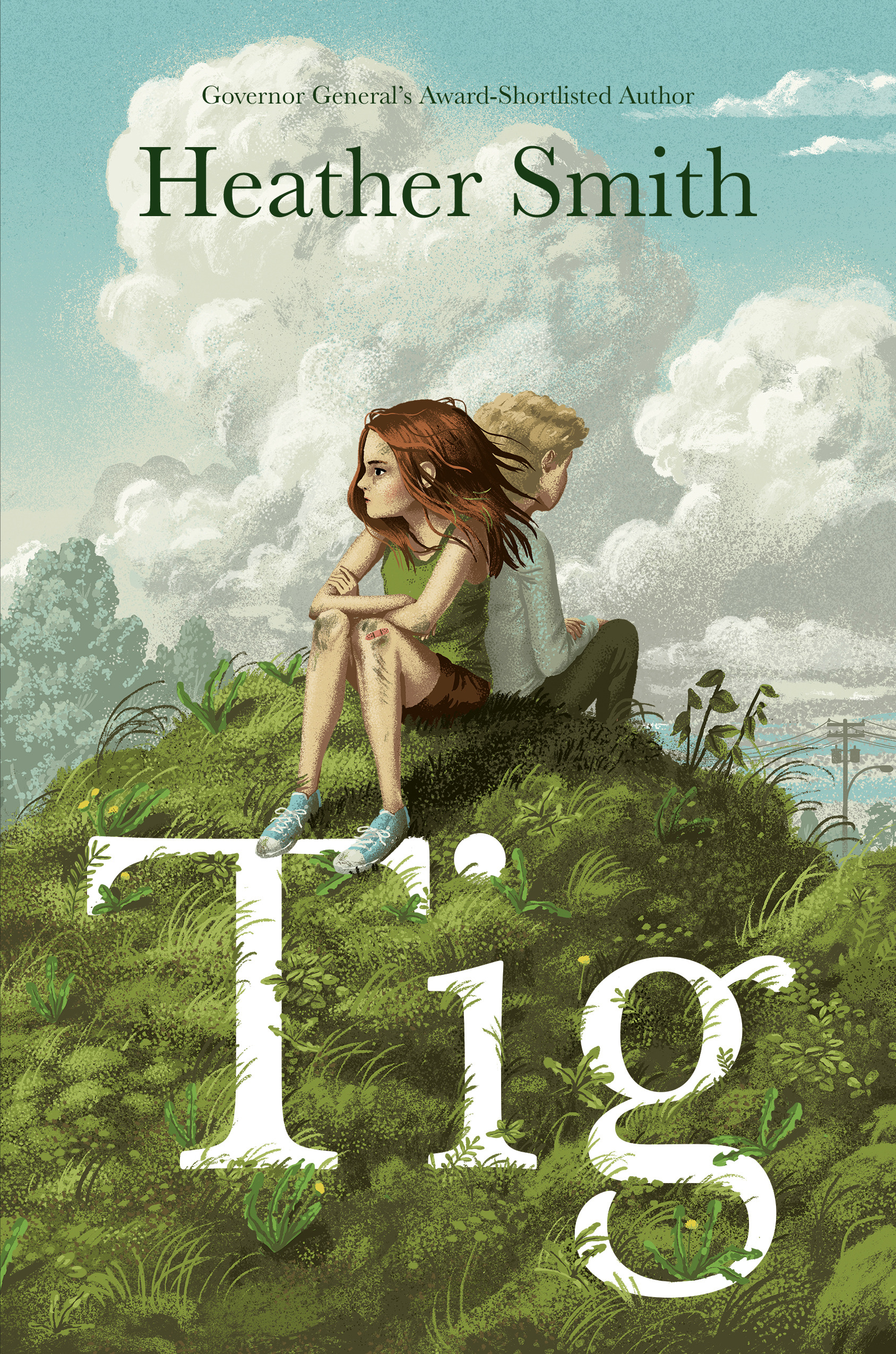
Tig by Heather Smith: It will tear your heart into pieces and then put it back together with a big cheese wheel-shaped band-aid.
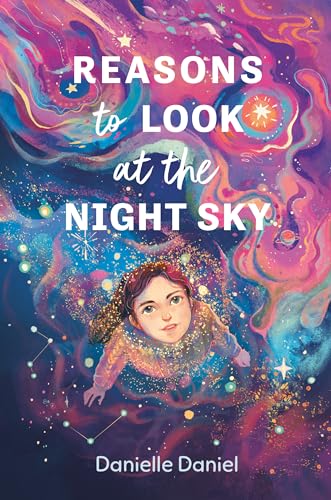
Reasons to Look at the Night Sky by Danielle Daniel: A teacher shows a student how to look at science, art, and the world in a whole new way. Novel in verse.
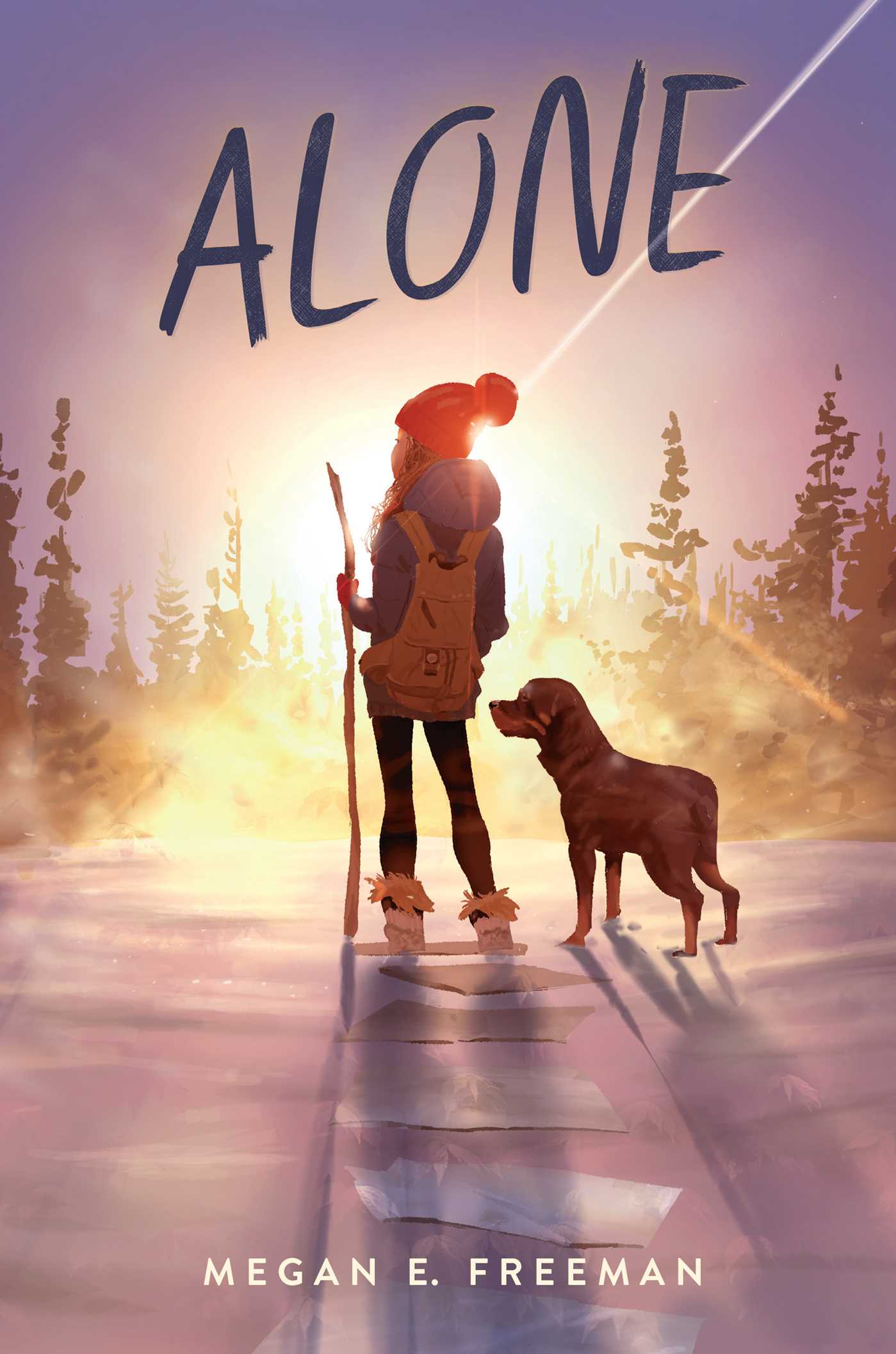
Alone by Megan E. Freeman: I love a good survival story. This one features a young girl with only a Rottweiler named George to keep her company. Will she ever see her family again?
Top Books of the Year:
- The Austens by Sarah Emsley
- Vigil by Susie Taylor
- Five Seasons of Charlie Francis by Danica Roache
- We Could Be Rats by Emily Austin
- James by Percial Everett
- How to Survive A Bear Attack by Claire Cameron
- Tig by Heather Brown
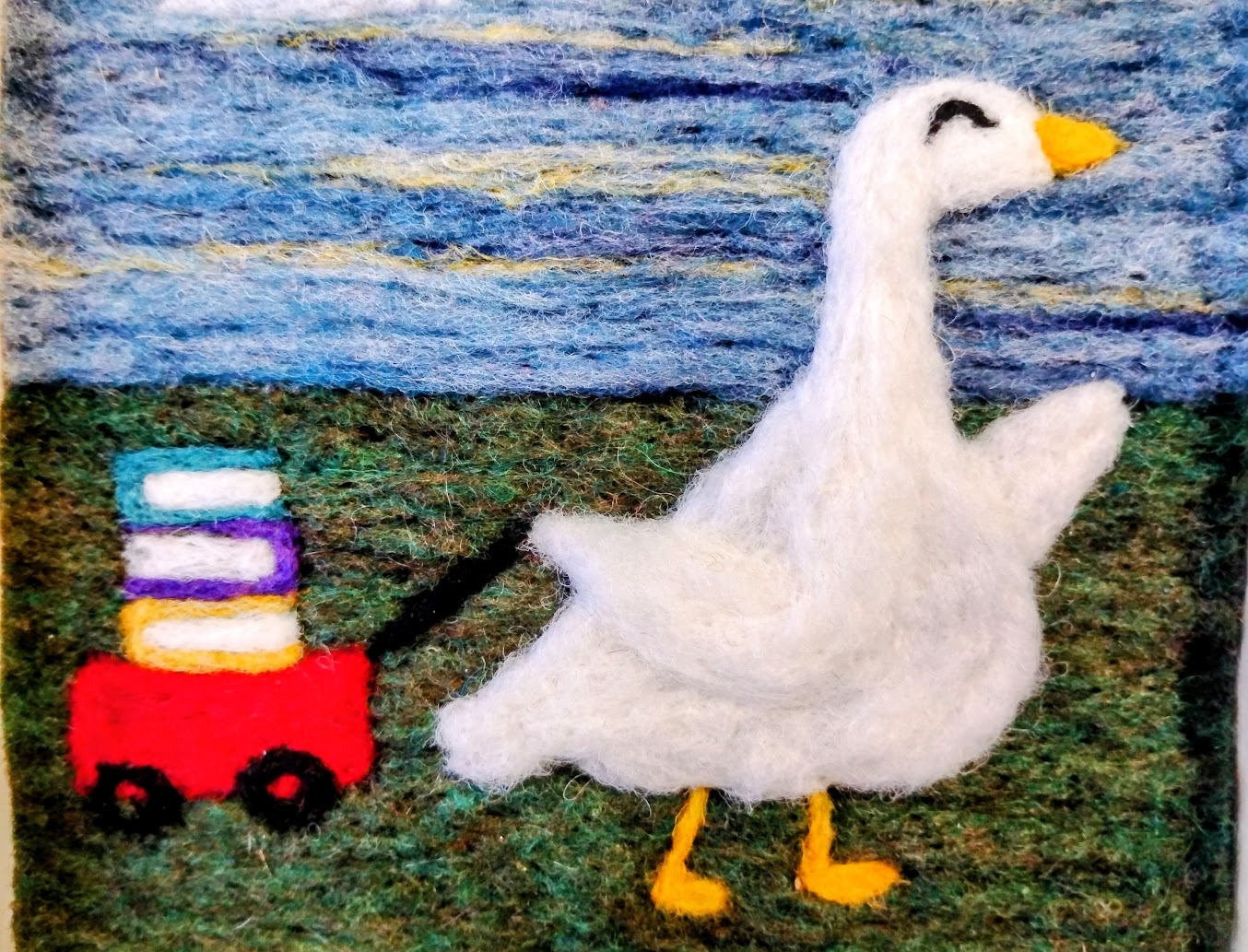
If you’re ever in Truro, NS please stop by and see me! You can find me at 586 Prince St., or online at @thehappyduckbooks on Instagram and Facebook.
Happy Reading! 🙂
 Consumed by Ink
Congratulations on the bookstore! It looks like you have read a slew of really interesting historical novels.
Thanks, Kay!
Yes, it was a good year for historical novels written by Nova Scotian authors in particular. I read another in January and have one coming up!
I put a couple on my list.
Greetings from Truro, Cornwall, England. I have the Rehel novel waiting.
I hope you enjoy it as much as I did!
I used to work at the Truro Library and people would sometimes get our programming mixed up with programming at the libraries in Truro UK and Truro Massachusetts, US. It’s easy to end up on the wrong social media site!
Love the book shop. I still think about selling my truck and opening one. We didn’t read any of the same books this year, not even Tanya Talaga’s The Knowing, which is wonderful, and which you were hopeful of reading along with me and Marcie. Don’t worry, I understand, the book shop had to come first!
I read 12 Canadians in 2025. For lovers of Jane Austen the most interesting might have been Frances Brooke, The History of Emily Montague (1769) which predates Austen by a few decades but has some similarities, despite being set in what is now Canada, with JA’s Lady Susan.
Or you can have a bookshop *out* of your truck and travel around! 🙂
I’m so glad you thought the Talaga was wonderful – It would have been great to read along. I have, however, listened to it on audio (maybe 2 years ago?) and was hoping for a reread in book form this time. I’m sure there’s so much more I can get out of it. So, we *have* shared one book this year!
Frances Brooke’s novel does sound interesting! Especially because I just read a book set during 1756-1602. It takes place in Nova Scotia, but, of course, mentions the battle of Louisbourg and then the one in Quebec. Thanks for the recommendation!
Congratulations on The Happy Duck – it looks magical. What a dream!
Thanks, Kate! 🙂
Congratulations on your new venture. It looks like an delightful place to visit!
Thank you! 🙂
Many congratulations! I had wondered what you were up to but would never have guessed you’d become a bookseller.
Thank you! I can’t quite believe it myself. Lol
Wow, what a fantastic year you had, congratulations and you still managed all that reading!
Thanks, Jane! I have to admit that I went a couple months this fall when I hardly picked up a book. Happily, that didn’t last!
Thank you so much, Naomi! I’m thrilled that you think highly of The Austens. And congratulations again and again on your fabulous new bookstore!!
Thank you! Congratulations on your wonderful new book!! 🙂
I always love when you post. Keep up the great work.
Thanks, Brian! 🙂
The bookshop sounds fantastic – congratulations!
Thanks, Laura! 🙂
Thanks for adding Captain Solitude to your list!
Sent from my iPhone
It’s a great book – I hope there’ll be more! 🙂
What amazing news! Congratulations! I hope opening has gone as smoothly as possible for you.
I’m really happy with the amount of support I’m getting! Thanks, Karissa!
It’s been such fun watching your bookstore’s progress on social media. I’m glad you’ve also found some time for reading and to tell us about your favourite discoveries last year. I’ve enjoyed some of these, too: the Fortier, the Newman novels, The Serviceberry. We read Remarkably Bright Creatures in book club (another octopus novel for you: Sea Change by Gina Chung). I’m very keen to read Claire Cameron’s memoir, especially after reading Black Bear by Trina Moyles. And I requested that my library buy Everything Is Tuberculosis and just picked it up today!
Another octopus book – I’ve put it on hold!
And now I’m keen to read Black Bear, having read How To Survive A Bear Attack.
Thanks for following the progress of The Happy Duck – it’s fun having book blogging friends along for the ride! 🙂
The colour coding is fun and I enjoyed seeing what you read during the year. Are you still keeping your log, or is this all from memory? The mix of photos and text is great, and at first I was surprised by the amount of non-fiction, except then I remembered your audio-library habit! We have about ten in common, and I’m esspecially glad to see a mention of Winipek and Vigil: looking forward to “next” books by both authors.
I’m still keeping track in my notebook, as always. I don’t think I could do without!
My nonfiction reading has gone way up since I started listening to audiobooks. But I’m getting better at listening to fiction, too, which might make it go back down again. Lol
Did I tell you that Nigaan Sinclair came to Truro? The whole family went to see him – he was a great speaker, and I think the kids got a lot out of it!
The shop looks adorable. You’ve got me thinking about if I could open a bookstore. What a great list of books you read in 2025 as well. All the best to you!
If I can do it, you can do it!! 😉
I’m sorry, you opened a bookshop??? Well isn’t that awesome 😄 Congratulations! My parents will be out east on a road trip in early summer… I’ll try to send them your way 🙂
Thanks, Jenna!
Please do send them! Wouldn’t that be fun to meet your parents?! 🙂
It’s a big country but a small world 😄
So true! 🙂
So that’s what you were up to! I noticed that you were quietly MIA on the book blog front but this is really remarkable news. I interviewed a woman yesterday about the story behind her flower farm. In my fantasy lives I brew beer, own a bookshop, am a competitive surfer and have a flower farm in my downtime. Ha. Congratulations! I am definitely going to make sure you are in an upcoming issue of Harrowsmith magazine (I’m editor-in-chief, again!). Maybe our Cup of Coffee with a Local feature? And, just a small blowhorn announcement, my latest (possibly greatest) memoir, Camino Chaos: Taking it All in Stride Across Croatia and Portugal will be available May 15th. I’ll make sure you get a copy (though you could probably read one from YOUR bookstore shelf on the sly!). Congrats, Naomi. I so appreciate what you do and appreciate the limelight you’ve shone on my books. Even though I’ll get the orange treatment for living just beyond the Atlantic border in northern Ontario!
Thank so much for your encouragement and support, Jules! I can’t wait to read your next book. It’ll go nicely with another one I have in my shop called Solo Camino by Renee Hartleib. Looking forward to chatting more back-channel! 🙂
Thanks for bringing Solo Camino to my attention, Naomi. I thought I had read all things Camino! I see Jane Christmas did a testimonial for it–she wrote the foreword for Trail Mix for me. Hope you’re having a brilliant bookshoppy day!