
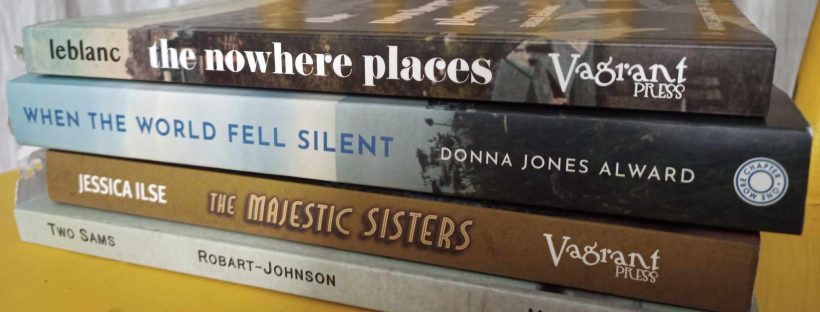
This is a group of books I read several months ago and am just catching up on now. They are by no means the only books by NS authors I’ve read this year, or recently. For example, I wrote about some short story collections a few months ago, a memoir by Marjorie Simmins, and a few books by OC Publishing. And there are more coming!
Most of these novels are set in Nova Scotia–many in Halifax–but settings also include the Yukon, Jamaica, New Brunswick, and Hollywood. They include contemporary and historical narratives, as well as a futuristic one. There’s humour, romance, mystery, and adventure. Something for everyone!
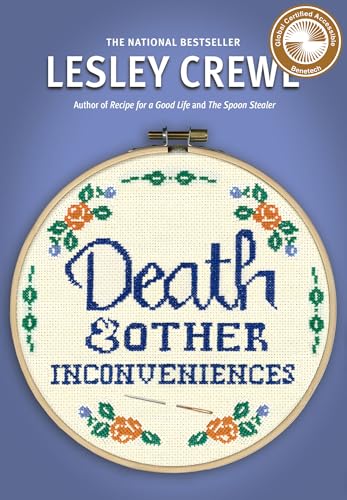
Death and Other Inconveniences by Lesley Crewe (Nimbus Publishing)
Nominated for the 2025 APMA Best Atlantic-Published Book Award
Everyone loves a good Lesley Crewe book, and I am no exception. In recent years, I’ve reviewed a few of her other books here, here, here, and here. There is no denying that Crewe is a born storyteller.
Margo’s second husband has just died and, at the age of 62, and with the support of her two children as well as her first husband and his partner, Margo is learning how to be independent for the first time in her life. “It was all so horribly unfair, not to mention massively inconvenient.”
With her trademark humour, Crewe writes a heart-warming story about family, chaos, and finding oneself at any age.
“But then that’s how Margo coped with everything in her life. She tried not to ponder too far ahead. Thinking was upsetting and totally unnecessary. Unless the situation had her by the balls, as it were, it was better forgotten.”
Favourite Line: “She made him sound as interesting as a facecloth.”
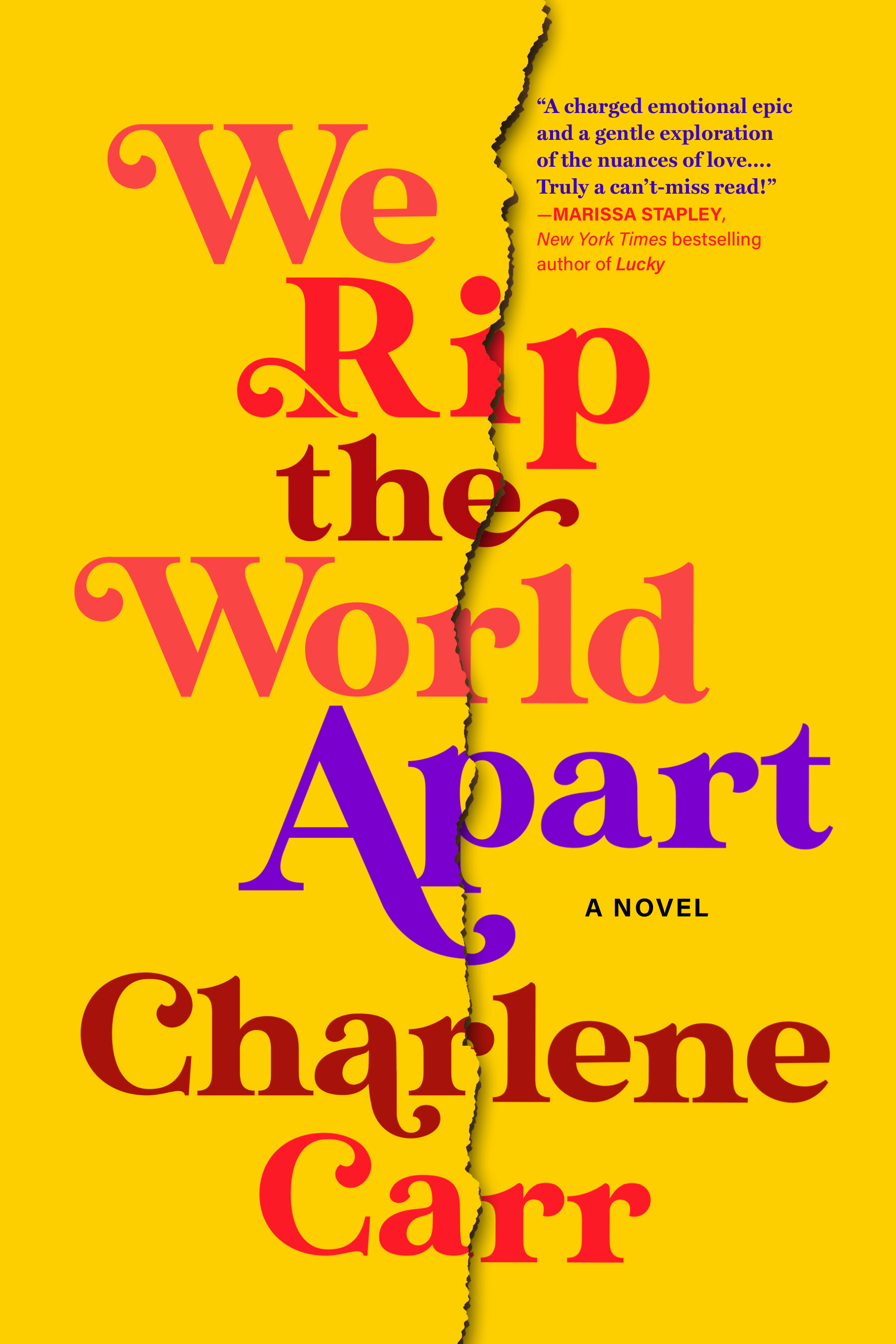
We Rip the World Apart by Charlene Carr (HarperCollins)
Winner of the 2025 Dartmouth Book Award for Fiction and finalist for the 2025 Thomas Raddall Atlantic Fiction Award.
On a much different note, We Rip the World Apart is a timely story about racism in Canada seen through the lens of a family who has lost a loved one to police violence. In her novel, Carr highlights the challenges facing people of colour in our world today, from racist violence to feeling confused about one’s identity and sense of belonging. Specifically, Carr writes about systemic racism, police brutality, immigration, biracial children, motherhood, trauma, and the repercussions of staying silent.
Carr’s ability to show multiple angles and perspectives of a topic with the purpose of throwing out questions to the reader without giving up any answers is remarkable. Consider it for your book club; readers are eating this book up.
Like Hold My Girl, We Rip the World Apart feels like a cross between popular fiction and literary fiction. I wrote about Charlene Carr’s previous book here.
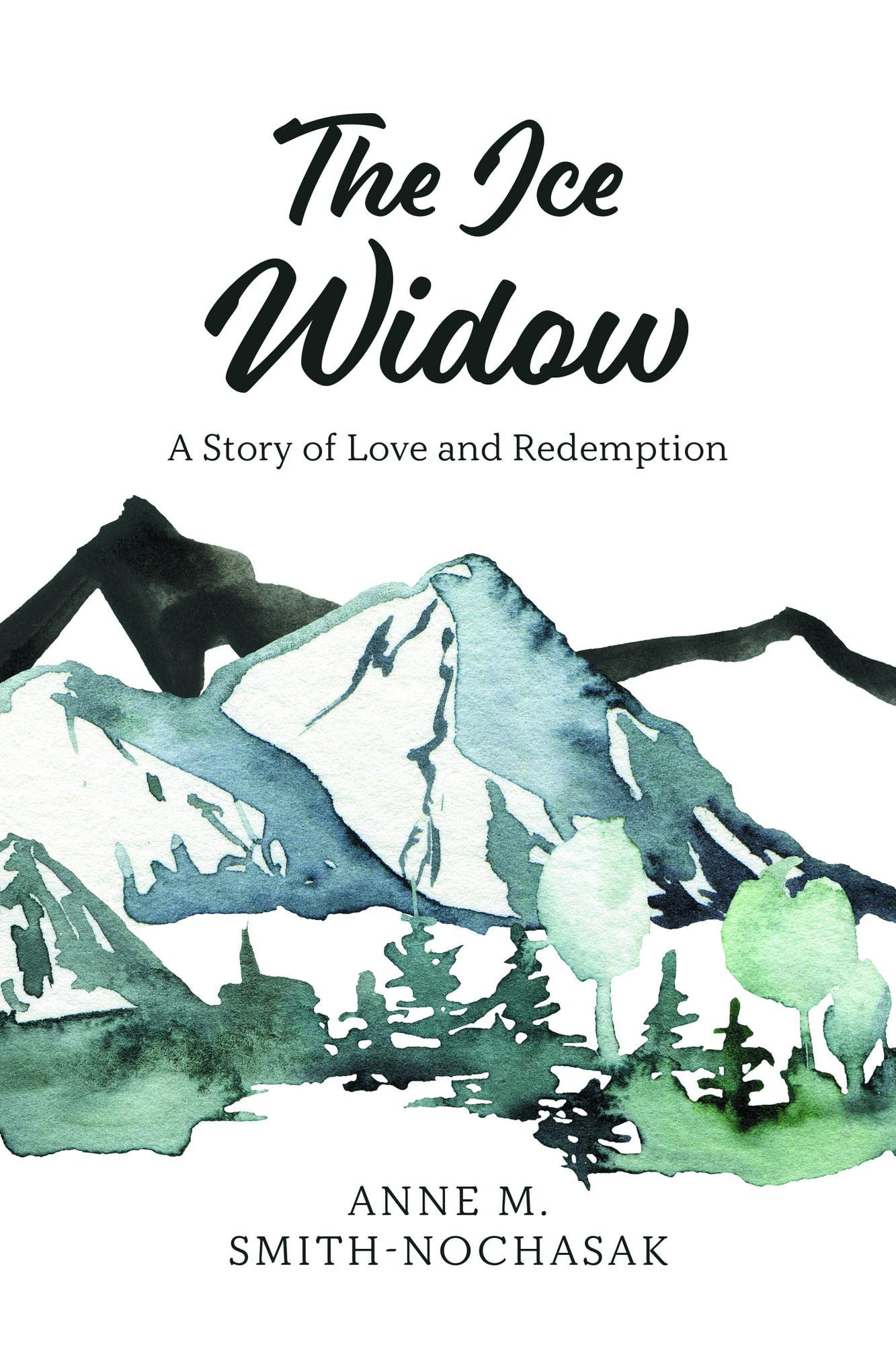
The Ice Widow by Anne M. Smith-Nochasak (Friesen Press)
Described by the author as “a love story, but not a romance,” The Ice Widow seems to draw on experiences the author has had in her own life: teaching up north, coming home again, having a son who spent much of his time with his father’s people in northern Canada.
Anna Caine is a restless sort of person who, upon going north to teach, falls in love with both the landscape and a man. Joshua, however, chooses to stay with the woman he is engaged to over Anna, and Anna goes home pregnant with Joshua’s child.
“I offered you every dream I had, but I did not ask what your dreams were. And I walked away, never having asked. There is freedom in not asking.”
The Ice Widow showcases the life of a woman who is unable to settle in one spot, perhaps feeling as though she belongs in more than one place, or no place at all. Her mother has passed, she can’t get over her love for Joshua, and she wants what’s best for her son, meaning that he spends much of his time up north with his father’s family. What does this mean for her?
Anna speaking to her dog: “Somewhere out there is the life I was meant to be living. You know? I know what it looks like, but when I get up and say I’m going to start, I do something else.”
Anne Smith-Nochasak writes about this woman, and her conflicting thoughts and emotions, with a lot of compassion. Anna is invited to be part of Joshua’s family, yet feels she doesn’t belong. She loves her son, but feels distant from him. She wants to settle down, but continues to be pulled from place to place. She longs for things to have turned out differently.
“The mornings of her life lie strewn across a wasteland, hints of life unlived and unfulfilled, and now here is Joshua… All the scattered mornings can never be redeemed or retrieved, but they have come to this morning… Yet she is still as lonely as she has been every morning of her life.”
A the end of the novel, we are presented with perspectives from many of the characters about the story of Anna and Joshua; a well-thought-out ending, giving the reader much to think about. The descriptive writing about the northern landscape is also a highlight of the novel, making me want to experience a little bit of it myself someday.
“Love is not something we make, something we do. Sometimes, it is just the way we are. The way we live.”
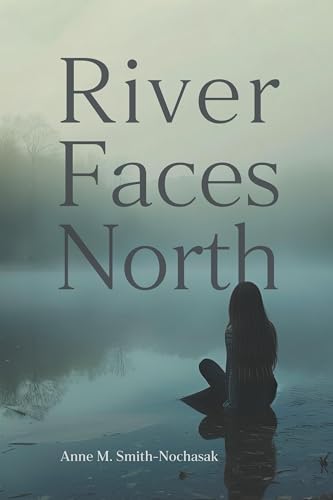
River Faces North by Anne M. Smith-Nochasak (Friesen Press)
This is Smith-Nochasak’s most recent novel and the first of a trilogy of books set in the near future (2036) where “much of the world lies in ruins, and a charismatic sect known as the Elect has taken control.” The protagonist is a 76-year-old woman named Flo who has been tasked with protecting her granddaughter while her son and his partner have gone to join the Revolution.
Flo is a woman of spunk, strength, determination, and a sense of humour. When she learns that the Elite is planning to scoop up any girl of 12 years for breeding purposes, she is determined to save her granddaughter, River, before her twelfth birthday.
Flo has to determine which of her neighbours are trustworthy and which are not. She has to take risks and be prepared to bear the consequences. And she finds herself doing things she never would have thought she’d do in order to protect her granddaughter. In addition, the land has been ravaged and forever altered by climate change; she and River scrape by with very little.
“March was not easing of snow and hints of green peeking through the old leaves. There was no promise of spring. Just cold dripping gloom, then a week of dry windy days, and on those days the old leaves stirred, the branches clacked and rattled, and we thought about forest fires.”
Told by way of Flo’s journal, kept diligently as a way to pass an account of history along to the next generation–with the hope that there will be a next generation–Flo tells the reader about how her home has changed, how she and her neighbours live in fear of the Elite and of each other. She writes about her son and his wife and the hope for the Revolution. She writes about all of it with humour, awe, and hope. Enduring hope. Because, if not hope, what’s the point? “Because that is what you do when you see the world has ended and you are still alive.”
Anne Smith-Nochasak can be found at Farmers Markets and literary events around Nova Scotia selling her books. She’s very happy to chat and talk about the stories behind her stories. Thanks for sharing your books with me, Anne!
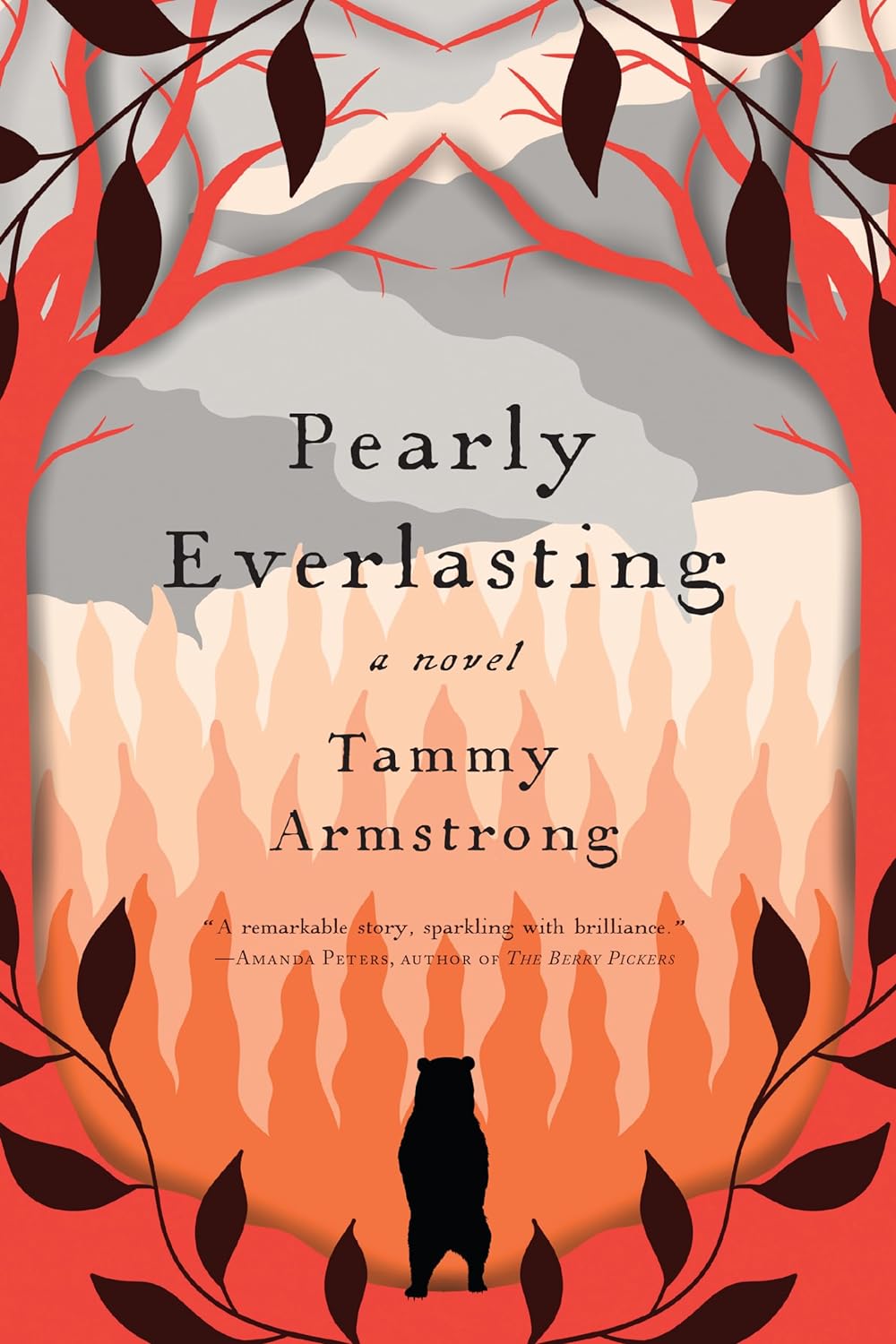
Pearly Everlasting by Tammy Armstrong (HarperCollins)
Finalist for the 2025 Dartmouth Book Award for Fiction.
Set in a 1930s logging camp in rural New Brunswick, Pearly Everlasting is about a girl who grows up with a bear as her brother. When the logging camp acquires a new supervisor–one who is not as accepting of Bruno as part of the close-knit logging community–Bruno’s place in the community is endangered. When a tragic incident occurs, Bruno is blamed and shipped out of the camp. This novel tells the story of Pearly’s determination and journey to find her bear and bring him home.
The following paragraph is the jury citation I wrote for Pearly Everlasting as a jury member for the Nova Scotia Book Awards this year:
“Some might say a baby and a bear cub have no business living together, but I can assure you: seeing the world through our eyes might change your mind.” Pearly’s unique view of the world draws us in and challenges our ideas of family and kinship, opening our hearts to new possibilities. Pearly will win you over with her scrappy personality, resilient nature, and unwavering loyalty. A fiercely original novel, Pearly Everlasting deeply resonates, clinging to your consciousness and tugging at your heart. Tammy Armstrong’s skillful use of language fills the senses: the smell of the forest, the taste of the camp food, the bitter cold of a winter night, and the unshakable bond between a girl and her bear.
“At night, lying in my bough bed with Bruno and Ivy, I used to imagine all them logs piled up in the skid yards floating downriver to the mills to be planked and built into things people in the Outside liked: piano and spice jars and rocking chairs. Did their new owners wonder about us out there in the woods where Jack-in-the-Dark–Mr. Many-skins–harried the deer at night and injuries oftentimes meant a man brought back to camp wrapped in a wagon sheet? Did they imagine that a girl and her bear could live out there beneath the spruce shadows–too tall for anyone to see the horizon beyond?”
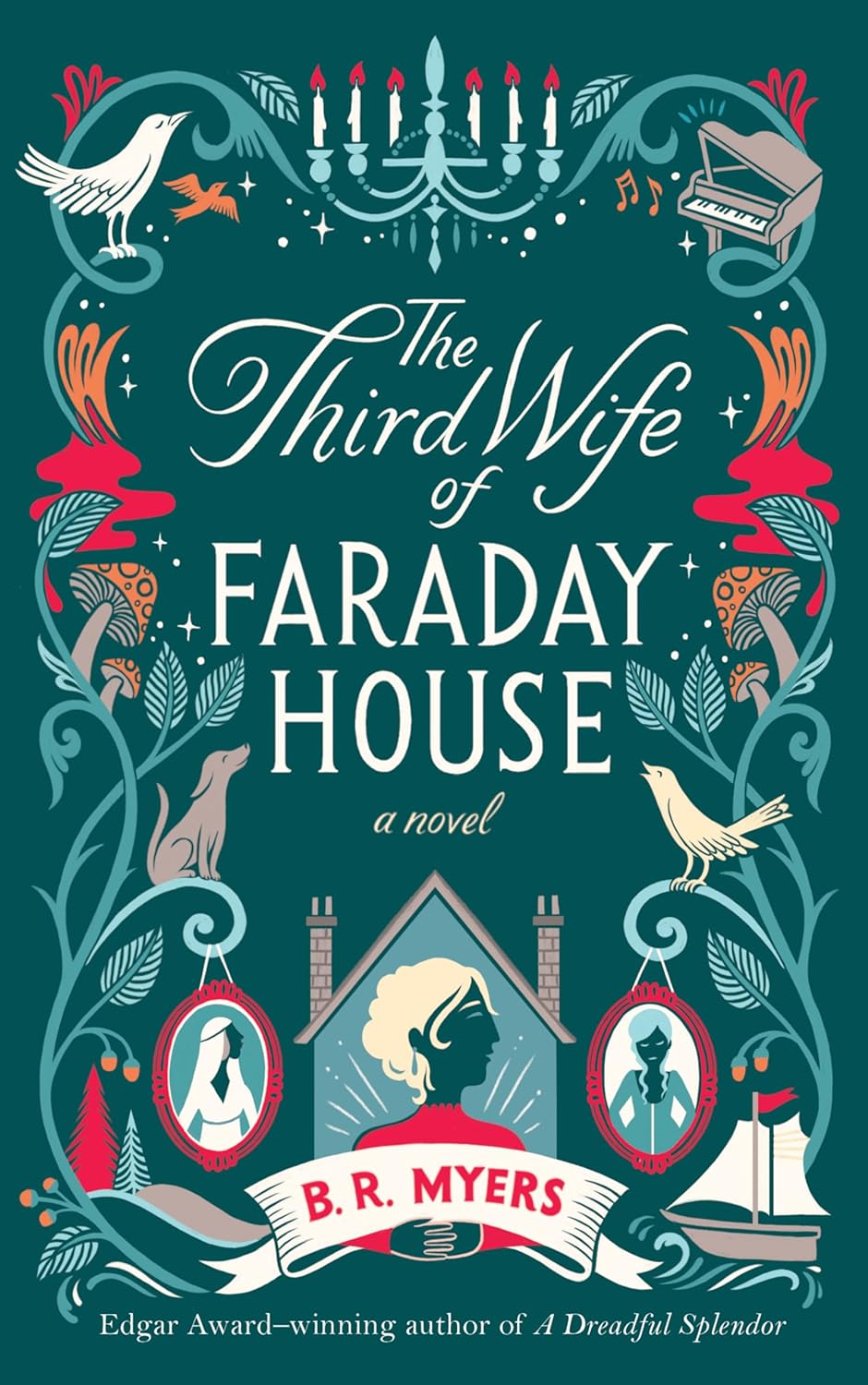
The Third Wife of Faraday House by B.R. Myers (HarperCollins)
Anyone who loves cozy historical mysteries will want to pick this book up.
Emeline is in love with a handsome lieutenant of the British Navy and is waiting for his proposal, but instead their secret relationship ends in scandal and she is shipped off to marry Captain Graves, an older man and owner of Faraday house, situated on a gloomy island off the coast of Nova Scotia. As you can imagine, Faraday house is filled with secrets and mysterious happenings that spook Emeline and make her all the more desperate for her handsome young man to come rescue her. She is meant to be Captain Grave’s new wife, but upon her arrival, she learns that his present wife is not yet dead and the household is just waiting around for it to happen, the grave already dug. Emeline becomes determined to find out what’s going on; she does not want to be next to join the other dead young wives in the graveyard.
Moses, the dog, is my favourite character.
“The hallway was dominated by a gallery of sailing ships. I walked by one framed painting of a schooner after another, nearly feeling seasick by the time I reached the last one.”
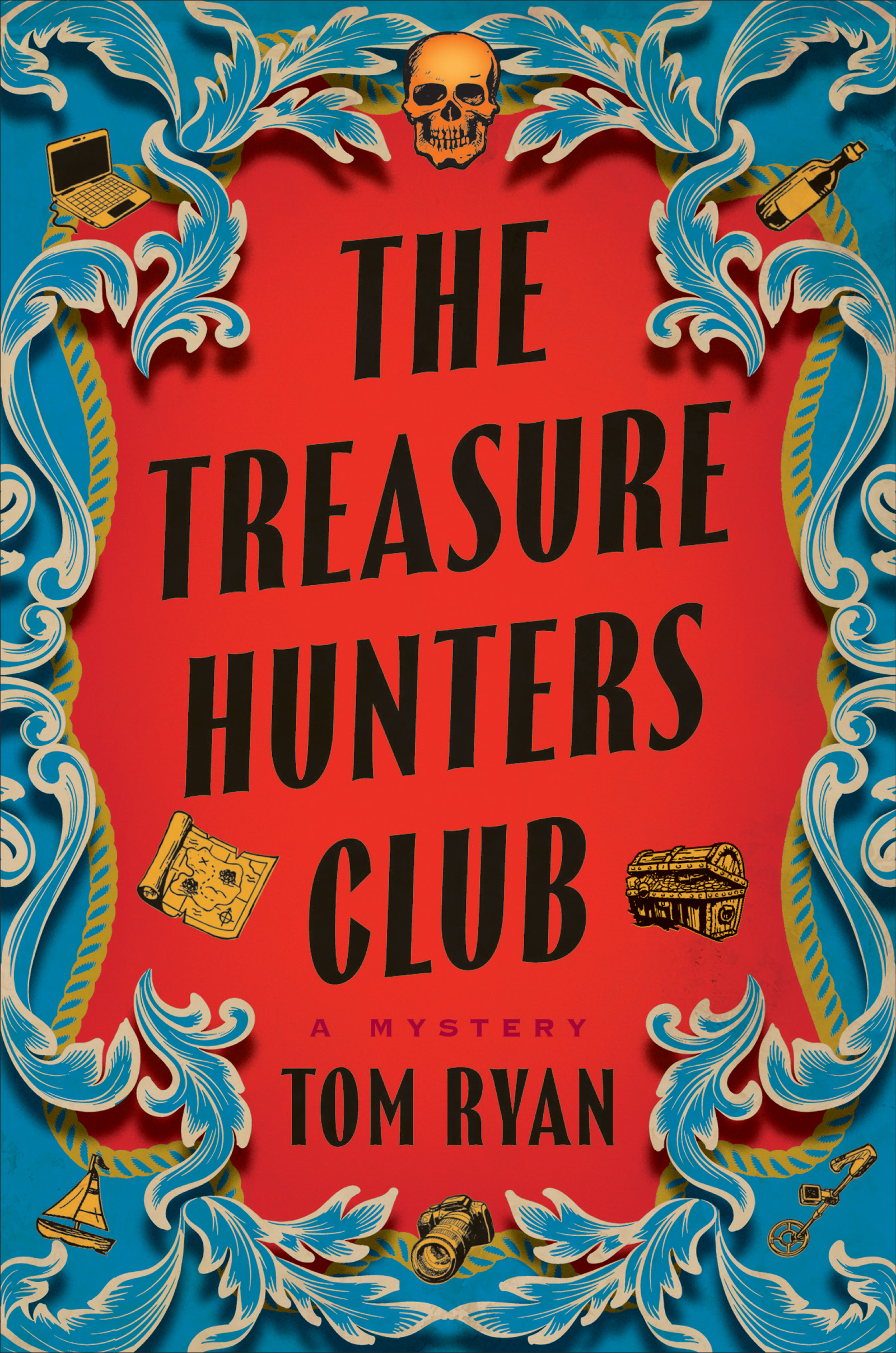
The Treasure Hunters Club by Tom Ryan (Simon & Schuster)
Like B.R. Myers, most of Ryan’s writing experience to this point has been in the YA genre. The Treasure Hunters Club is his first adult novel and it’s a fun read; a contemporary mystery set in a small town on the east coast of Nova Scotia.
When Cass Jones takes a housesitting job in Maple Bay, she learns about a legendary lost pirate treasure; inspired to write a book about it, she starts investigating. In the meantime, Pete receives a mysterious letter from long-lost family that brings him to Maple Bay, and young Dandy is looking for purpose after the death of her beloved grandfather. Dandy gets involved in a local secret club her grandfather belonged to and starts investigating on her own.
“Maple Bay didn’t have time to be suspicious; they were too busy being nosy.”
The Treasure Hunters Club is primarily a plot-driven book, so it’s missing some of the deep characterization I love, but I flew through it nonetheless, just enjoying the ride. I’m looking forward to his next adult novel to come out. My daughter has also read and enjoyed his YA books.
“On my first night in Bellwoods, I lie awake late into the night wondering if I’ve made a terrible mistake. The ceilings in my large, cold bedroom are so high that they disappear into the gloom, and I imagine them gone entirely, revealing an endless chasm of sky, an empty, lonely universe staring down at me, judging me for the life I’ve lived so far.”
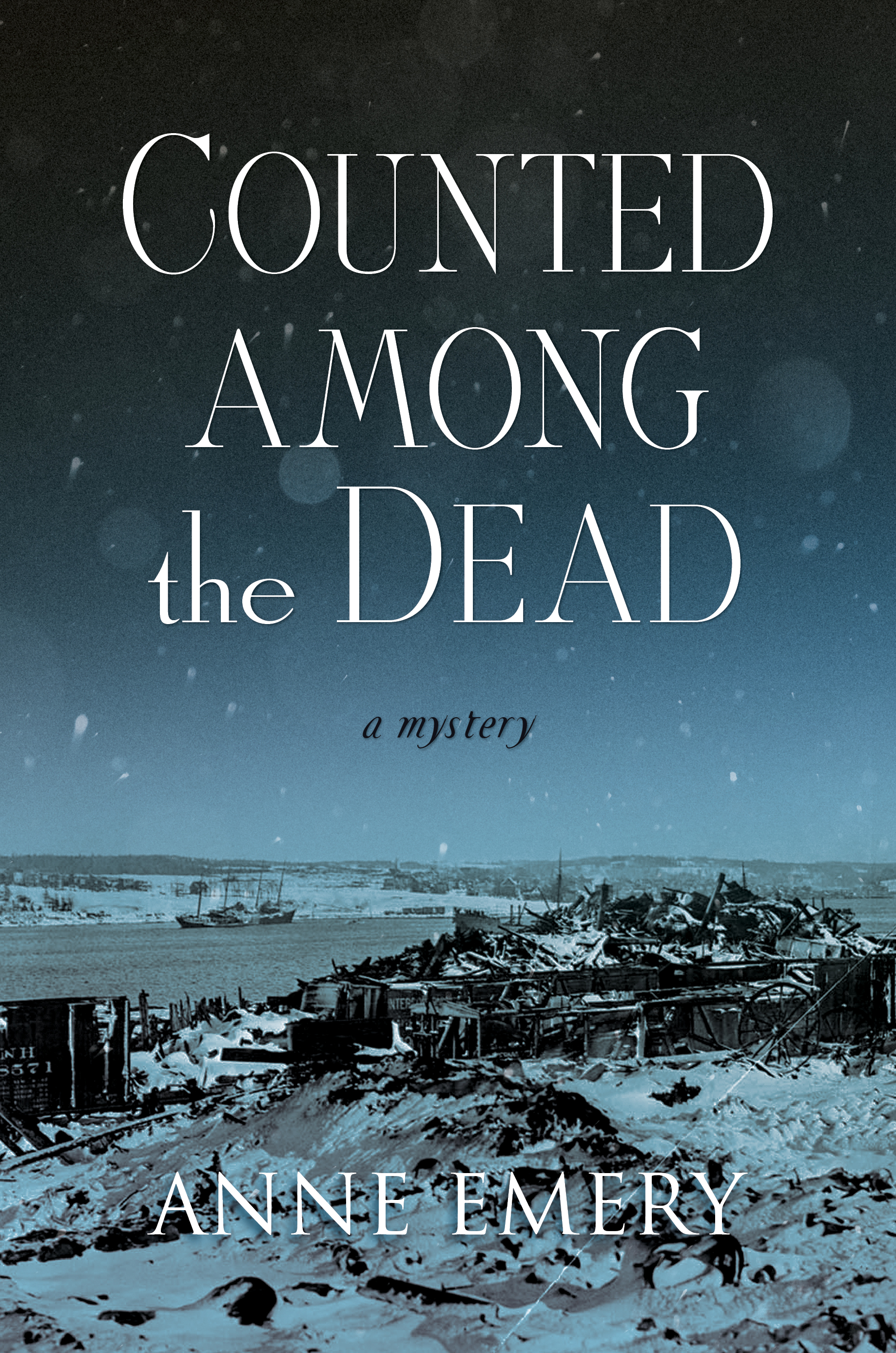
Counted Among the Dead by Anne Emery (ECW Press)
Although Anne Emery is an award-winning crime writer from Halifax, this is the first time I’ve read one of her books. Counted Among the Dead is the 13th book in the Collins-Burke mystery series; even though it was my first, I had no problem following along. This novel has a crime connected to the 1917 Halifax explosion, and goes back and forth in time as the detectives (and readers) attempt to solve the mystery. I worried that tying the motive to something that happened so long ago might be grasping at straws a bit, but Emery pulls it off with her talent for strong characters and tight plot lines. History buffs might also learn some new tidbits of information about the Halifax Explosion they didn’t already know.
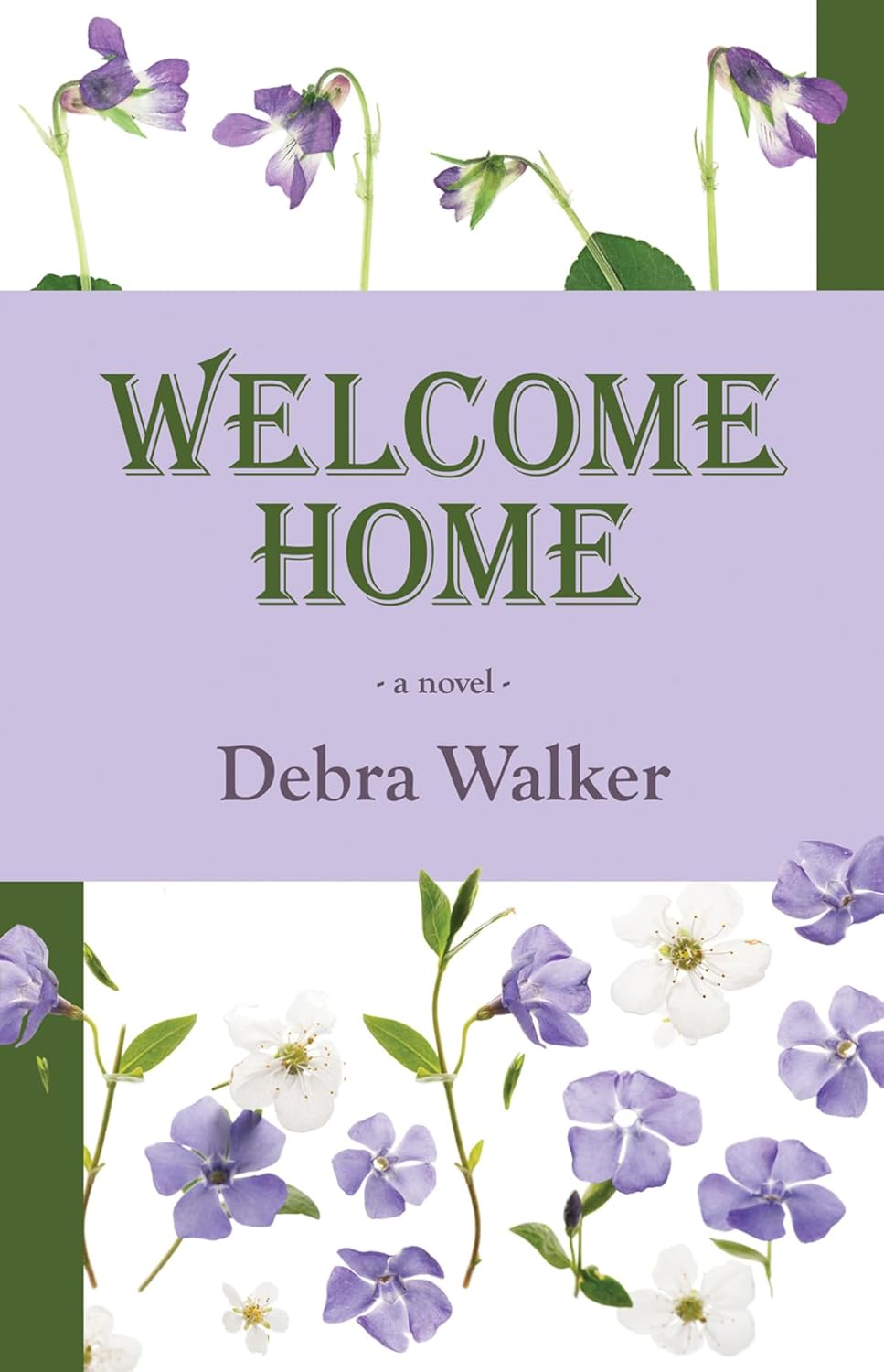
Welcome Home by Debra Walker (Boularderie Island Press)
Welcome Home is a dual timeline novel; as the two narratives alternately play out, the reader slowly learns how they connect, a tactic that kept me turning the pages.
Cecilia Williams is interested in learning more about her family on her father’s side–the Hunters–and connects with two elderly sisters living on the family homestead in Cape Breton. The sisters are welcoming and delightful and forthcoming with all they know about the family. However, their knowledge of their sister Kate is limited. But when Cecilia finds a mysterious document while looking through boxes of old stuff, an old secret comes to light that might soon have been lost forever. A satisfying story for readers who enjoy books about families and their secrets.
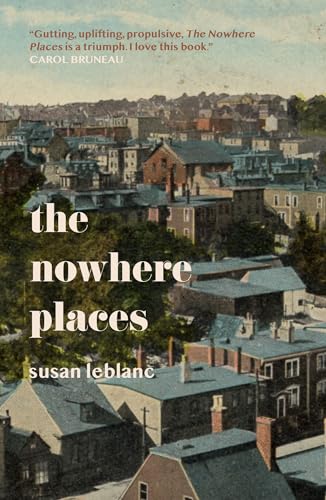
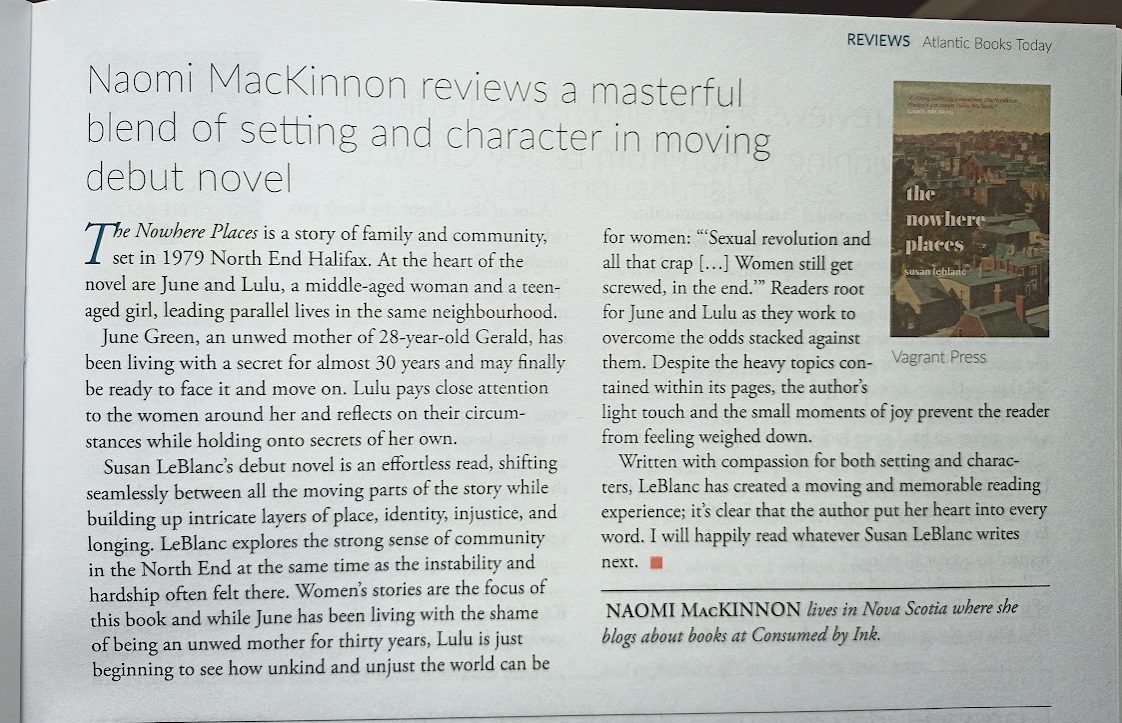
The Nowhere Places by Susan LeBlanc (Nimbus Publishing)
Winner of the 2025 Margaret and John Savage First Book Award (Fiction) and finalist for the 2025 Dartmouth Book Award for Fiction.
I love this book and reviewed it for Atlantic Books Today in the fall of 2024.
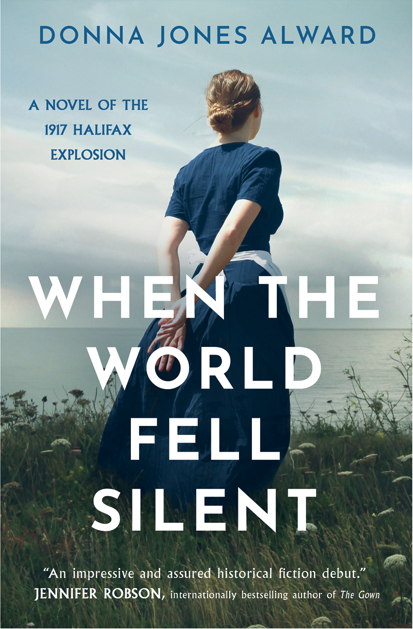
When the World Fell Silent by Donna Jones Alward (HarperCollins)
This has been a hugely popular historical fiction novel; there is still a long line of holds for it at the library. We love a good local book set during the Halifax Explosion and WWII with strong, independent female characters. Bonus if you throw in a bit of romance, a genre Alward is already experienced at – her website shows more than 66 romance novels to date.
For someone who’s read many novels about the Halifax Explosion, this book contains much of the same material, as well as popular tropes of the genre. However, I still got caught up in the story like everyone else and will likely read her upcoming novel Ship of Dreams. Maybe novels about the Titanic will become a new project!
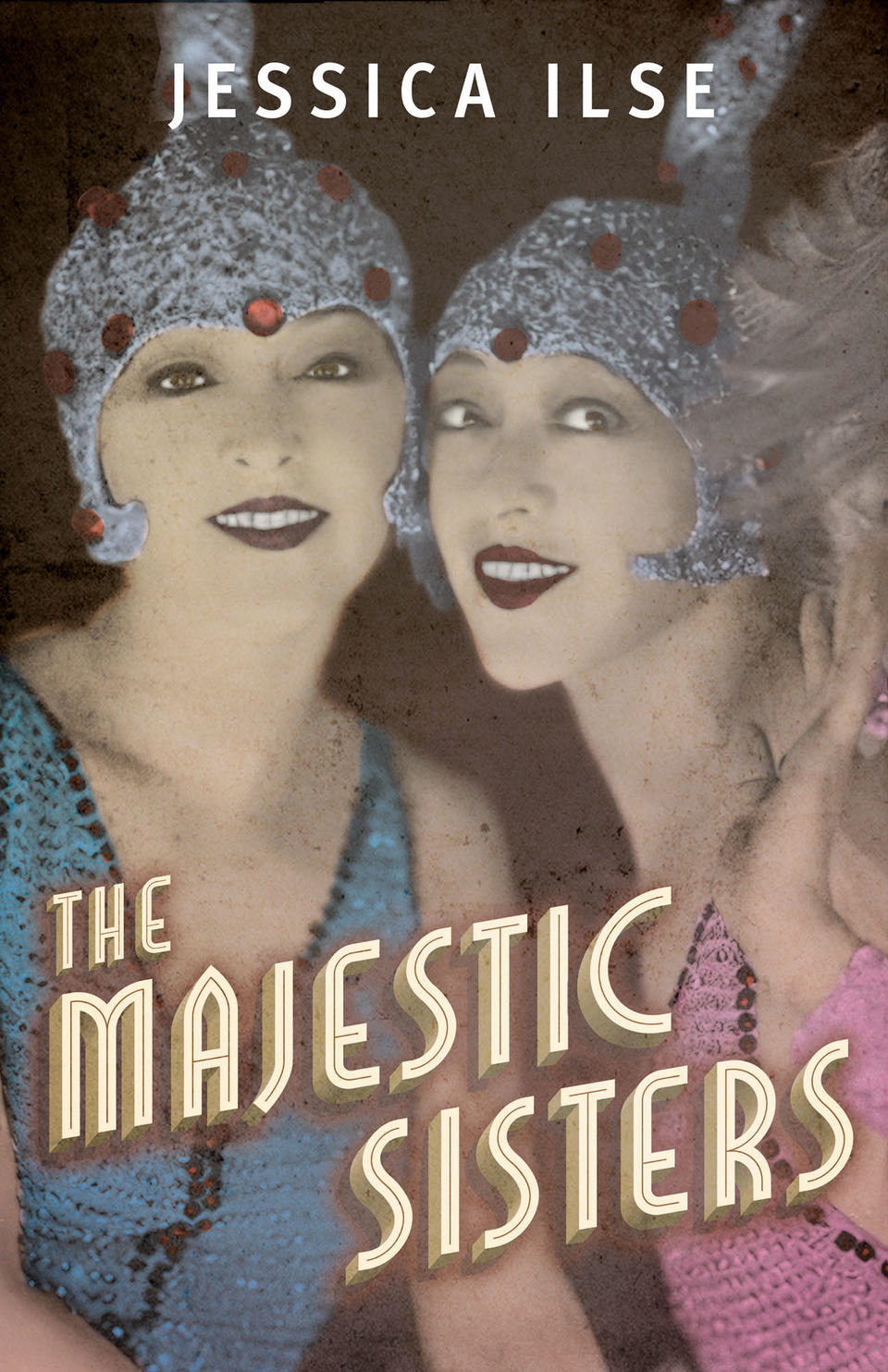
The Majestic Sisters by Jessica Ilse (Nimbus Publishing)
Finalist for the Margaret and John Savage First Book Award (Fiction).
Not always one for stories about the glam of show biz and Hollywood, I was pleasantly surprised and completely won over by this debut novel by Jessica Ilse.
The Majestic Sisters tells the story of two sisters who are the stars of The Majestic Theatre in 1939 Halifax, Nova Scotia. Melly, being more ambitious than Missy, dreams of bigger things while Missy makes plans to marry and settle down. When Melly disappears right before Missy’s wedding, a rift is created between the sisters that lasts until Melly comes home in 1963. The reader is baffled by Melly’s hasty retreat, too, until the reason behind it eventually gets revealed.
“Then what could have been so bad that you had to run from it all?”
Given how close the sisters are, the estrangement between them and the reason behind it feel a little weak to me, but the story is a good one. The historical settings are well researched and described; I didn’t ever have to remind myself what decade the characters were in, and each chapter title is the name of an old Hollywood movie. It was also interesting to read about Halifax before the war in one timeline, and after the war in another.
Sisters, show business, and secrets make for an entertaining read. I’m curious to see what Ilse writes about next.
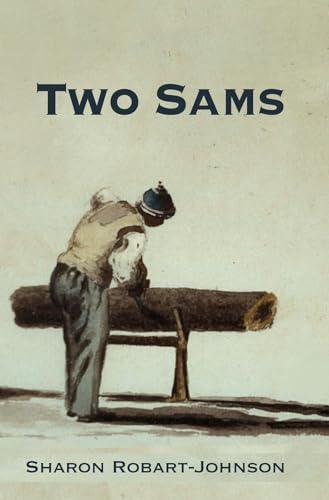
Two Sams by Sharon Robart-Johnson (Moose House Publications)
A culturally important historical novel, but also a thoughtful and beautiful story about some of the first Black Loyalists to come to Nova Scotia in 1783. Using historical records, Robart-Johnson is able to trace the arrival of Sam Sr. and his son Sam Jr.’s separate arrivals to Nova Scotia. In 1777, Sam Jr., his wife, and daughter managed to escape their bondage and join the group of guerilla fighters known as the Black Brigade. For some reason, Sam Jr. wasn’t with them. However, it is known that Sam Jr. does eventually escape in 1779 to arrive in New York with a wife and small child. Robart-Johnson, with skill and a lot of heart, fills in the gaps to create the story of two families and their struggle to free themselves and travel to a new land where they believed they would have a better life. Unfortunately, their lives in Nova Scotia were filled with a new kind of struggle – one for food and shelter. They also faced racism and violence. Robart-Johnson writes about her characters’ experiences with compassion and joy. There is so much love in this story.
“Mr. John, he told us not to worry, he would take care of us, but how was he gonna do that when there wasn’t nothin’ here? I think Mr. John better look ’round and see what we sees. Nothin’.”
“Wife, she looked at me. I could tell she was mad and I didn’t blame her. We was livin’ in a cabin with four walls and a roof made outta wood, now we is told we has to live in a hole in the ground with a roof over us made outta sand and brushwood.”
“We is free now, but sometimes the way we is treated, it feels like we is still slaves.”
In the ‘Author’s Notes,’ Robart-Johnson lists the names of the people she has written into her novel as characters, that there are records for; in as many cases as she can, she lists their occupations and names of other family members. “Why is it important to remember these names? These people suffered through hell and some, but not all, came out stronger on the other side. They helped to shape the lives of Nova Scotia’s Blacks and the Blacks who migrated to other areas. Never forget them!”
I wrote about Sharon Robart-Johnson’s debut novel–and winner of the 2022 Dartmouth Book Award for Fiction–here.
If you made it this far, congratulations and thank you for reading! Do any of these tempt you? Do you have a hard time letting good books go without writing about them?
 Consumed by Ink
Wow, that high ceiling leading to the endless sky and lonely, judgemental universe!
Let’s hope we don’t imagine such things as we lie in bed looking at the ceiling!
A great wrap up of some wonderful reads, Naomi. I especially like the reviews of Anne Smith-Nochasak’s two novels. She’s a fine local author that deserves a broader audience.
Thanks, Jim! Yes, I so admire Anne’s work (and her work ethic!).
“Ship of Dreams” is on my table, waiting for me. You have certainly been busy, and I appreciate the many detailed reviews of NS work. Thanks for including Anna and Flo.
Anna and Flo are good friends of mine now. I’m looking forward to more of Flo’s story! Enjoy Ship of Dreams! 🙂
A lovely selection of books here, thank you for sharing!
Thanks for reading, Liz! 🙂
What a great sounding bunch of books, Naomi. The Third Wife of Faraday House and Death and Other Inconvieniences appeal the most to me.
I still haven’t read Lesley Crewe but I know she’s much beloved and eventually I will (I have a couple). I can see why that one of Anne Emery’s books would have pulled you in: did you enjoy the character enough to read one that’s not about the Halifax Explosion, or was that the main appeal for you? I know we’ve chatted about The Nowhere Places, but I’m still surprised how much I love its cover…so ordinary, but so familiar and engaging somehow!
I would totally read another Anne Emery… It was just luck that it was also about the HE.
Love The Nowhere Places!!
Which Lesley Crewe books do you have?